
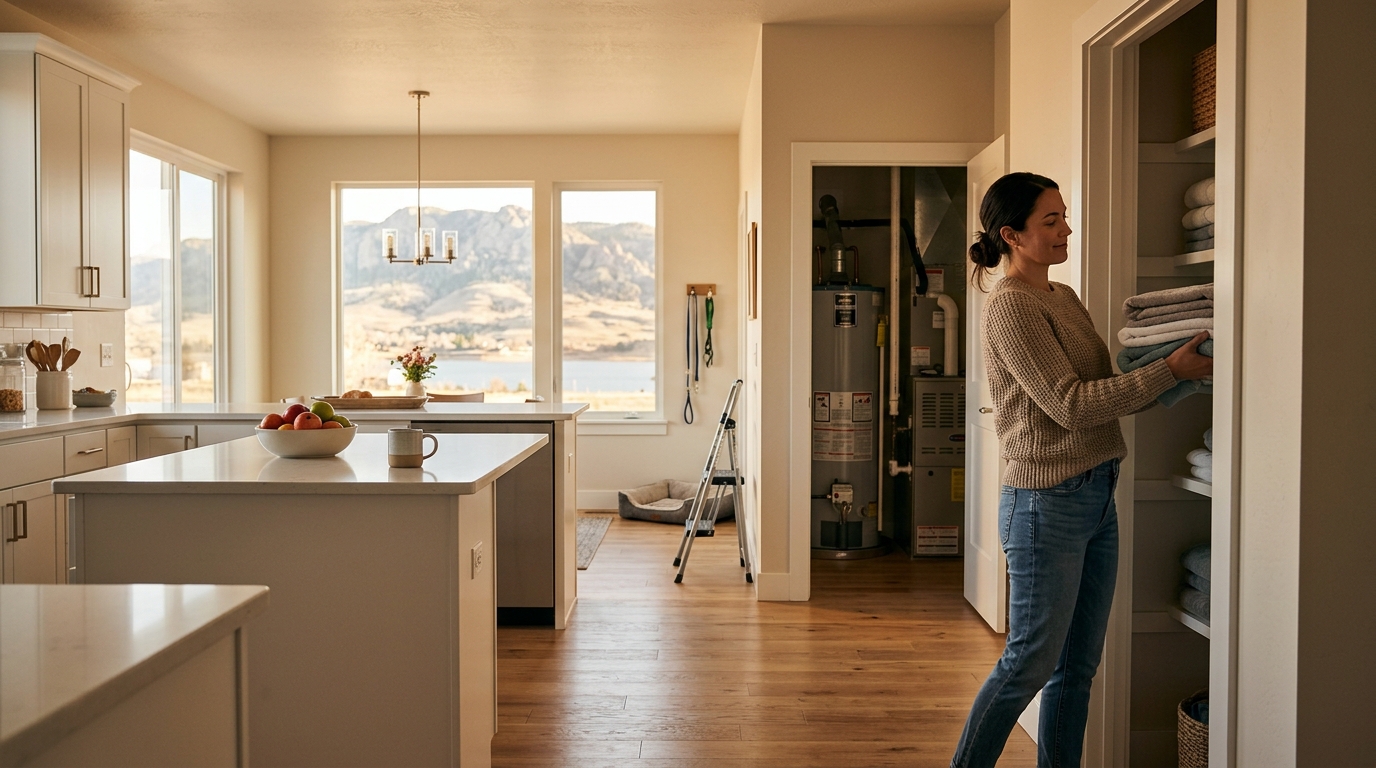
Whether you are selling your home in Fort Collins or anywhere in Northern Colorado, the home inspection is one of the most important milestones in the transaction. A home inspection is a noninvasive, visual evaluation of a property's structure and major systems performed by a certified professional. The good news is that a little preparation goes a long way. By following a few practical steps before the inspector arrives, you can reduce surprises, speed up the process, and present your property in the best possible light. Below, you will find a clear, room-by-room guide to getting your home ready.
Understand What a Home Inspector Evaluates
A residential home inspector evaluates the visible and accessible components of a home and provides a professional opinion on its current condition. The inspector is not there to pass or fail the house. Instead, the goal is to give buyers, sellers, and homeowners an objective snapshot so they can make informed decisions.
During a typical home inspection, the inspector reviews the roof, exterior, foundation, attic, plumbing, electrical, HVAC, interior finishes, and appliances. Understanding this scope helps you focus your preparation on the areas that matter most.
Provide Clear Access to Every Area
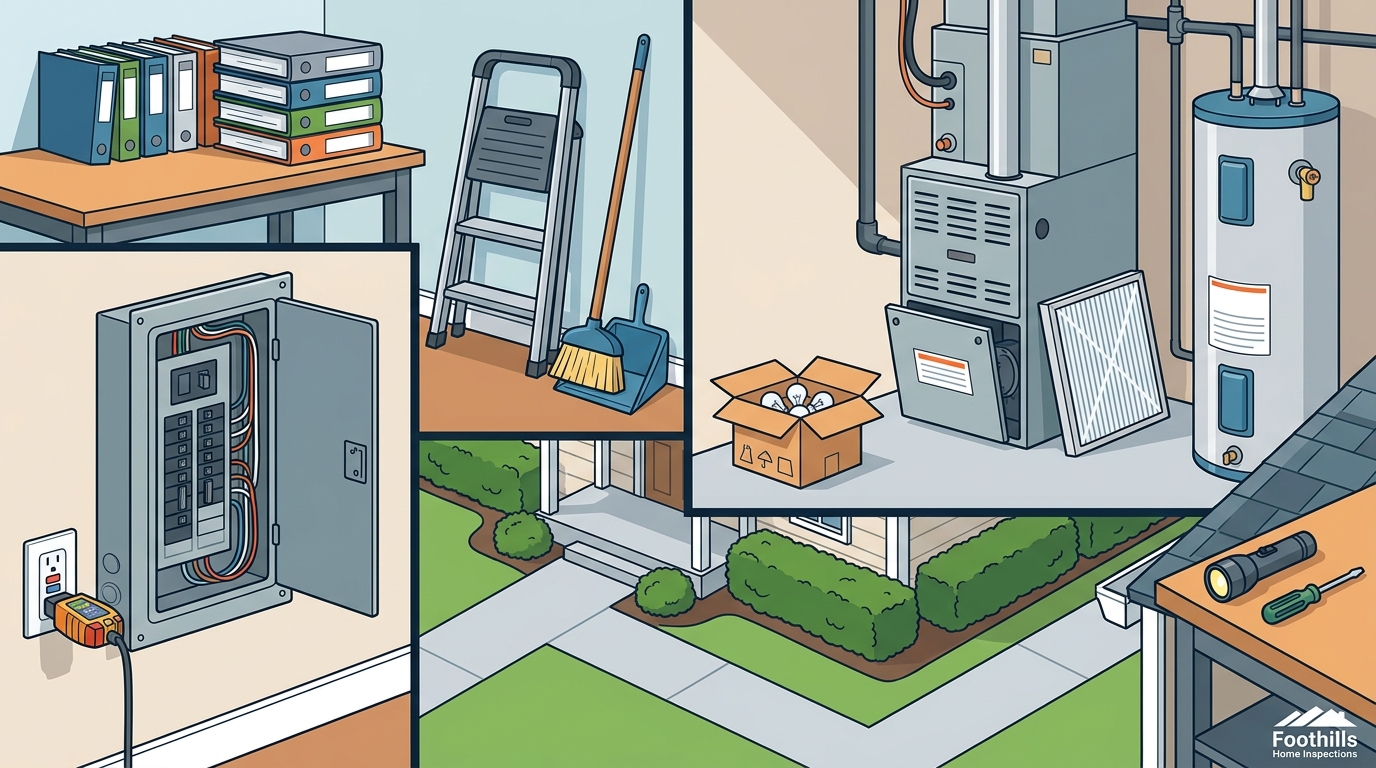
Inspectors need to reach the attic, crawlspace, garage, electrical panel, water heater, and furnace. Move boxes, storage items, and furniture away from these access points before inspection day. Blocked areas can delay the process or result in items being listed as "not inspected" in the report.
Interior Access Checklist
- Clear a path to the attic hatch or pull-down stairs.
- Unlock the electrical panel and ensure 36 inches of clearance in front of it.
- Remove items stored around the water heater and furnace.
- Ensure all interior doors, including closets, open freely.
Exterior Access Checklist
- Unlock gates, sheds, and detached garages.
- Trim vegetation at least two feet from the foundation and siding.
- Leave remotes for garage door openers on the kitchen counter.
Prepare the Exterior and Roof
The exterior is the first thing the inspector sees. Address visible issues before the appointment to make a strong first impression and reduce the number of items in the report.
Roof and Drainage
Clean gutters and downspouts of debris. Verify that downspout extensions direct water at least four feet away from the foundation. If you notice missing or damaged shingles, consider having them repaired. The inspector will walk the roof when safe and evaluate shingles, flashing, vents, chimneys, and drainage, so visible problems will be documented.
Grading and Foundation
Check that the soil around your foundation slopes away from the house. Grading is a term that describes the slope of the ground near a structure, and improper grading is one of the most common causes of moisture intrusion. Fill low spots with compacted soil. Also look for visible cracks in the foundation walls and note any previous repairs.
Get the Interior Inspection-Ready
A clean, well-organized home leaves the impression of a well-maintained property. While a sparkling kitchen will not earn bonus points, clutter and grime can cause an inspector to look more closely for deferred maintenance.
Take care of minor repairs before the inspection: tighten loose doorknobs, replace burned-out light bulbs, fix running toilets, and re-caulk around tubs and sinks. These small fixes reduce the total number of items in the final report. The inspector will evaluate walls, ceilings, floors, stairs, doors, windows, railings, and cabinets, so address anything obviously broken or non-functional.
Service Major Systems Before Inspection Day
HVAC, plumbing, and electrical systems receive significant attention during any inspection. A little preventive maintenance can make a big difference.
| System | Prep Action | Why It Matters |
|---|---|---|
| HVAC | Replace air filters; run heating and cooling to confirm operation | Dirty filters and non-responsive systems are among the most commonly flagged items |
| Plumbing | Fix dripping faucets and slow drains; check under sinks for leaks | Leaks and slow drains signal potential hidden moisture damage |
| Electrical | Test all GFCI outlets with the test/reset buttons; replace missing outlet covers | Missing covers and non-functional GFCIs are safety concerns |
| Water Heater | Confirm pilot light is on; check for corrosion or pooling water at the base | Water heaters are inspected for age, condition, and proper venting |
Keep all utilities turned on through the inspection period. The inspector cannot test plumbing, electrical, or HVAC systems if water or power has been shut off.
Check Safety Devices and Hazards
Safety observations are a major part of every inspection report. Inspectors commonly identify trip hazards, missing handrails, unsafe stairways, improper venting, and fire separation issues in garages.
Before the inspection, test all smoke detectors and carbon monoxide alarms and replace batteries as needed. Verify that handrails and guardrails on stairs, decks, and balconies are secure. If your home is in Northern Colorado, you should also consider radon testing, as Colorado has some of the highest radon levels in the country according to the EPA.
Gather Documentation and Receipts
Set out receipts and warranties for recent repairs, HVAC servicing, roof replacements, or appliance purchases. This documentation shows the inspector and the buyer that the home has been responsibly maintained. If you have had a sewer scope or any specialty inspection done previously, include those reports as well.
Sellers who want maximum control over the process may also consider a pre-listing inspection. A pre-listing inspection is a home inspection the seller arranges before putting the property on the market. It gives you a head start on identifying what to fix and prevents surprises during the buyer's inspection.
Key Takeaways
- A home inspection is a visual, noninvasive review of a home's structure and major systems.
- Clear access to the attic, crawlspace, electrical panel, and mechanical equipment is essential.
- Clean gutters, correct grading issues, and repair visible exterior damage before the inspector arrives.
- Replace HVAC filters, fix leaky faucets, and test GFCI outlets ahead of time.
- Test smoke and carbon monoxide detectors and secure all handrails and guardrails.
- Keep utilities on through the entire inspection period.
- Gather maintenance receipts and consider a pre-listing inspection for maximum peace of mind.
Frequently Asked Questions
How long does a home inspection take?
Most residential inspections take two to four hours, depending on the size, age, and condition of the property. Larger or older homes may take longer.
Should I be present during the inspection?
Buyers are encouraged to attend so they can ask questions in real time. Sellers are typically advised to leave the property so the inspector and buyer can work without pressure.
Does a home inspector check the sewer line?
A standard inspection does not include a sewer line camera inspection. However, Foothills Home Inspections offers sewer scope inspections as an add-on service, which is highly recommended for older homes in Fort Collins.
Will the inspector test for radon?
Radon testing is a separate service that can be performed alongside the home inspection. In Colorado, the EPA recommends testing every home. Learn more on our radon testing page.
What happens if the inspection reveals problems?
The inspector creates a detailed report identifying defects and recommended actions. Buyers can then negotiate repairs, request seller credits, or adjust the purchase price based on the findings.
Can I fail a home inspection?
No. A home inspection is not a pass-or-fail test. Every home has defects. The purpose is to provide an objective snapshot of the home's current condition so all parties can make informed decisions.
How much does a home inspection cost in Northern Colorado?
Costs vary by home size and additional services requested. Visit our booking page or contact us for a personalized quote.
What is the difference between an appraisal and an inspection?
An appraisal determines market value for the lender. An inspection evaluates the physical condition of the property for the buyer. They serve different purposes and are conducted by different professionals.
Schedule Your Inspection with Foothills Home Inspections
Serving Fort Collins and all of Northern Colorado, Foothills Home Inspections provides comprehensive evaluations of every accessible component of your home. From radon testing to sewer scopes, we help you understand exactly what you are buying or selling. Ready to book? Schedule your inspection today and move forward with confidence.