
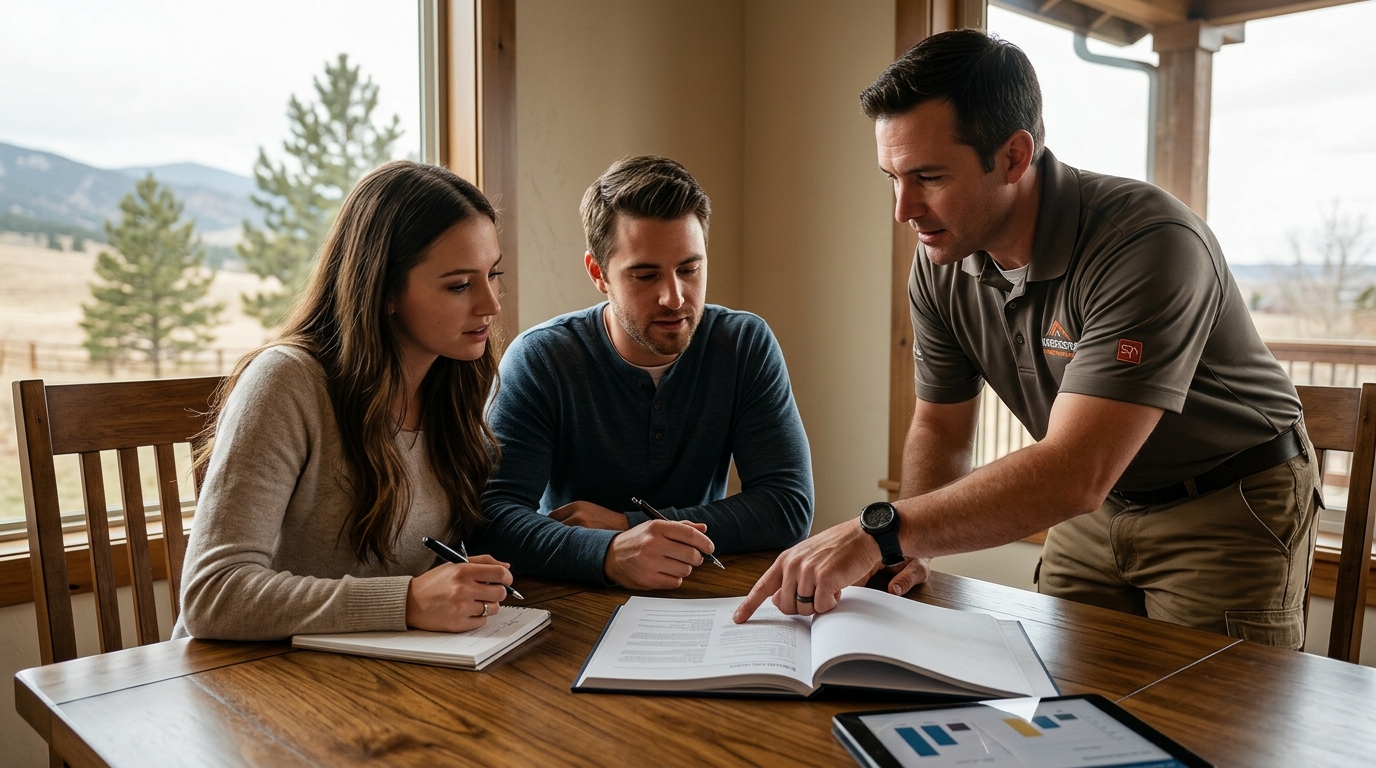
Buying a home is a significant investment that requires careful financial planning and risk assessment. According to data from the National Association of Realtors, the median home inspection cost typically ranges between $300 and $500, yet this relatively small upfront expense can reveal issues that cost tens of thousands to repair. When you receive your detailed home inspection report, it is easy to feel overwhelmed by the volume of information. A comprehensive report contains everything we find during our walk-through of your property, but not every item on that list requires immediate action. Understanding how to categorize these findings is critical for protecting your real estate investment and negotiating effectively. (About Us Foothills Home)
Understanding Severity Levels in Home Inspections
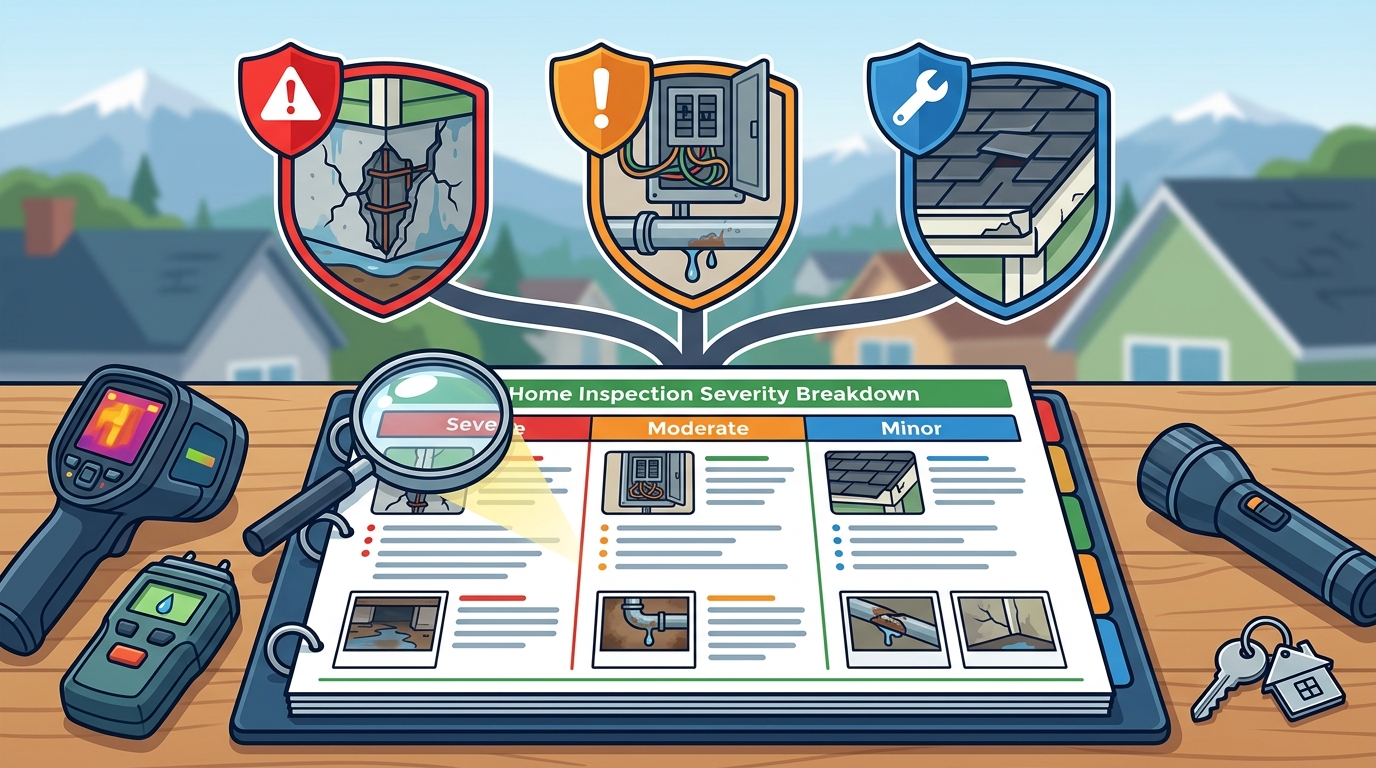
When you hire a professional inspector, you are paying for clarity, not just a list of problems. A home inspection identifies potential issues with a home’s foundation, roofing, plumbing, and other major areas of concern. However, the true value lies in the prioritization of these issues. Inspectors generally categorize findings into three main buckets: safety hazards, major functional defects, and minor maintenance items. This classification helps buyers and sellers distinguish between a deal-breaker and a simple cosmetic touch-up.
At Foothills Home Inspections, we strive to make every inspection pay for itself through negotiations or by highlighting maintenance items that can prevent future disasters. Our goal is to educate you on the home so you can make informed decisions. By understanding the severity of each finding, you can allocate your resources wisely. For instance, a minor leaky faucet is vastly different from a failing main sewer line. Knowing the difference allows you to approach the negotiation table with confidence and precision.
Safety-Critical Issues: Immediate Action Required
Safety-critical issues are those that pose an immediate threat to the health or physical safety of the occupants. These findings must be addressed before anyone lives in the home. Common examples include active electrical hazards, such as exposed wiring or lack of ground fault circuit interrupters (GFCIs) in wet areas. Another critical category involves gas leaks or faulty gas line connections, which can lead to explosions or carbon monoxide poisoning.
Radon is another significant safety concern, particularly in regions like Northern Colorado. Radon is a radioactive gas that can accumulate in homes and is the second leading cause of lung cancer. According to the Environmental Protection Agency, radon testing is essential in many parts of the United States. Our team offers specialized radon testing services to ensure your family’s safety. If radon levels are elevated, mitigation systems must be installed by certified professionals. Ignoring these safety defects can result in catastrophic health risks and voided insurance policies.
Structural integrity also falls under this category. If the inspector identifies significant foundation cracks, settling, or compromised load-bearing walls, these are not items to ignore. These issues can lead to costly structural failures and render the home unsafe. In such cases, you may need to consult with a structural engineer before proceeding with the purchase. Our certified inspectors are trained to spot these early warning signs, providing you with the leverage to demand repairs or walk away from a dangerous property.
Major Repair Costs: Budgeting for the Big Items
Beyond immediate safety threats, there are major functional defects that will require significant financial outlay. These items are not necessarily life-threatening today, but they will fail soon and cost thousands to replace. The most common major repairs include roof replacement, HVAC system failure, and outdated electrical panels.
Roofing is often the largest single expense for a new homeowner. If the roof is near the end of its lifespan or has active leaks, you should budget for a full replacement. A typical roof replacement can cost between $8,000 and $15,000 depending on materials and labor. Similarly, if the HVAC system is old or inefficient, replacing it can cost upwards of $5,000 to $10,000. These are not minor fixes; they are capital expenditures that impact your monthly cash flow.
Plumbing issues can also fall into this high-cost category. For example, if the home has polybutylene piping or galvanized steel pipes, these systems are prone to failure and should be repiped. Additionally, sewer line issues are a hidden cost that can devastate a budget. A sewer scope inspection can reveal root intrusion, bellies, or breaks in the line. Repairing or replacing a sewer line can cost between $3,000 and $10,000 or more. By identifying these major costs early, you can negotiate a price reduction or request that the seller complete the repairs before closing.
Maintenance and Monitoring: The Long-Term View
Not every finding requires immediate cash. Maintenance items are components that are worn, aging, or nearing the end of their useful life but are still functional. Examples include caulking around windows, gutter cleaning, filter changes, and minor drywall patches. While these do not require emergency action, they are important for preserving the home’s value and preventing minor issues from becoming major ones.
Our home inspection reports are easy to read and informative, containing everything we find during our walk-through of your property. We take the time to ensure you understand everything and to educate you about any potential issues and how to address them. For maintenance items, we provide a timeline for when these tasks should be performed. This proactive approach helps homeowners avoid surprise breakdowns. For instance, knowing that your water heater is 12 years old allows you to save for a replacement before it bursts and causes water damage.
Regular maintenance also extends the lifespan of your home’s systems. By addressing minor issues promptly, you can avoid the compounding costs of neglect. This is particularly true for exterior components like siding, paint, and landscaping drainage. Proper grading and functioning downspouts direct water away from the foundation, preventing moisture intrusion and structural damage over time. Viewing these items as part of a long-term care plan rather than immediate expenses helps in financial planning.
Cosmetic vs. Functional Defects
One of the most common points of confusion in home inspections is the distinction between cosmetic and functional defects. Cosmetic defects are aesthetic issues that do not affect the performance or safety of the home. These include scuffed floors, outdated paint colors, or minor drywall imperfections. While these might bother a buyer, they are rarely grounds for negotiation or repair requests.
Functional defects, on the other hand, affect the operation of the home’s systems. A door that sticks due to a settling frame is a functional issue, whereas a door with a chipped paint finish is cosmetic. Understanding this difference is crucial for negotiations. Sellers are generally willing to address functional defects that impact safety or habitability, but they are often resistant to fixing cosmetic issues. By focusing your negotiation efforts on functional and safety-related findings, you increase your chances of a successful outcome.
It is also important to consider the age of the home. In older homes, some wear and tear is expected. However, if the wear and tear indicates a systemic failure, such as knob-and-tube wiring, it becomes a functional and safety issue. Our team at Foothills Home Inspections helps clients navigate these nuances, ensuring that you do not overpay for cosmetic fixes while missing critical functional failures. We serve customers in Loveland, Windsor, Wellington, Greeley, Longmont, Boulder, and surrounding Northern Colorado communities with this precise level of detail.
Negotiation Strategies Based on Findings
Once you have prioritized your findings, the next step is negotiation. The goal is to use the inspection report to protect your interests without derailing the transaction. For safety-critical issues, you can demand that the seller make the repairs before closing or provide a credit at closing to cover the cost. For major repairs, you can request a price reduction equivalent to the estimated repair cost. This approach allows you to control the quality of the repairs by hiring your own contractors.
When negotiating, it is helpful to have estimates for the repairs. Our detailed reports often include recommendations for further evaluation by specialists, which can help you get accurate quotes. For example, if we identify a potential roof issue, we may recommend a roofing contractor’s estimate. Using these professional estimates strengthens your position and ensures that the credit you receive is sufficient to cover the actual cost of repairs.
It is also important to know when to walk away. If the inspection reveals multiple major issues that exceed your budget or if the structural integrity of the home is compromised, it may be wise to terminate the contract. This is why having a thorough inspection is so valuable. It provides the exit strategy you need if the home is not a good fit. Our owner is involved personally throughout the home inspection process to ensure your satisfaction and to help you put yourself in a good spot at the negotiation table.
Key Takeaways
- Safety First: Address electrical, gas, and structural hazards immediately to ensure occupant safety.
- Radon Awareness: Radon testing is critical in Northern Colorado to prevent long-term health risks.
- Major Costs: Budget for roof, HVAC, and plumbing replacements, which can cost thousands.
- Maintenance Planning: Use the inspection report to create a long-term maintenance schedule for aging components.
- Negotiation Leverage: Use functional defects to request repairs or credits, but avoid negotiating over cosmetic issues.
- Professional Insight: Hire a certified, insured inspector like Foothills Home Inspections for accurate, detailed reports.
- Local Expertise: Our team serves Loveland, Windsor, and surrounding areas with same-day service options.
Frequently Asked Questions
How do I prioritize home inspection findings?
You should prioritize findings based on severity and cost. Start with safety-critical issues like electrical and gas hazards. Next, address major functional defects that require expensive repairs, such as roof or foundation issues. Finally, consider maintenance items that need attention over the next few years.
What is the average cost of a home inspection?
The average cost of a home inspection typically ranges from $300 to $500, depending on the size of the home and the services requested. Additional services like radon testing or sewer scoping may increase the total cost.
Should I negotiate repairs after a home inspection?
Yes, you can negotiate repairs or credits for safety hazards and major functional defects. It is generally not advisable to negotiate over cosmetic issues, as sellers are less likely to agree to these requests.
What is a sewer scope inspection?
A sewer scope inspection is a video examination of the home’s sewer line to check for blockages, root intrusion, or damage. This is a critical inspection for older homes to avoid costly underground repairs.
How quickly will I receive my inspection report?
At Foothills Home Inspections, we provide your home inspection report back to you within 24 hours of the completed inspection. This allows you to act quickly on any findings.
Why is radon testing important?
Radon is a colorless, odorless radioactive gas that can accumulate in homes and cause lung cancer. Testing is the only way to know if your home has elevated levels, and mitigation systems can reduce these risks.
What areas do you serve?
We serve customers in Loveland, Windsor, Wellington, Greeley, Longmont, Boulder, and surrounding Northern Colorado communities.
Schedule Your Inspection Today
Do not leave your home purchase to chance. A thorough inspection is crucial to ensure that you’re making a sound investment or getting a fair price for your property. At Foothills Home Inspections, we provide detailed, easy-to-understand reports that help you make confident decisions. Our certified, insured inspectors are ready to help you navigate the complexities of home buying.
Contact us today to schedule your inspection. You can call or text 970-567-8180 for pricing and possible same-day or next-day service. Visit our booking page to get started. We look forward to helping you protect your investment in Northern Colorado.