
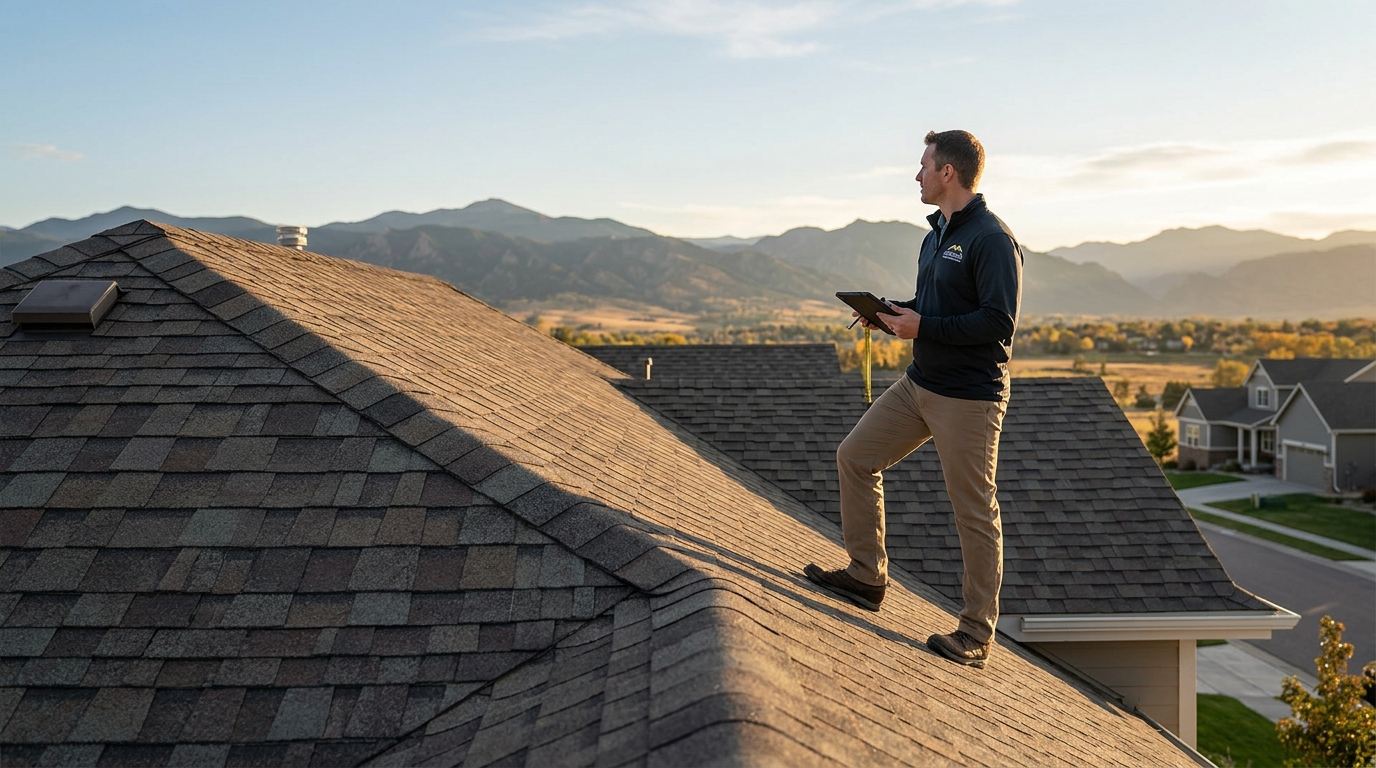
Home inspectors in Fort Collins, including Foothills Home Inspections, check for roofing problems during every standard inspection. They evaluate the roof's condition, materials, and visible damage to ensure the structure is sound. This guide covers the specific methods inspectors use and the key damage indicators you should know about before buying a home in Northern Colorado.
Roof Inspection Methods
A professional roof inspection is a visual assessment of the roof's exterior and accessible interior components. Inspectors do not tear up the roof or perform invasive testing. Instead, they use a systematic approach to identify issues that could affect the home's value or safety. Understanding these methods helps you interpret the findings in your inspection report.
Visual Exterior Assessment
The primary method is a thorough visual examination of the roof surface. Inspectors look for signs of wear, damage, and material degradation. They assess the overall condition of shingles, flashing, and vents. This step is critical for identifying immediate problems that may require repair or replacement.
Attic and Interior Evaluation
Inspectors also examine the attic space to check for signs of water intrusion or structural issues. They look for stains, mold, or damaged rafters that might indicate a leak. This interior check complements the exterior assessment and provides a more complete picture of the roof's performance.
Documentation and Reporting
Findings are documented with photos and detailed descriptions in the final report. Foothills Home Inspections provides reports within 24 hours, including markups and descriptions to make the information easy to understand. This documentation is essential for negotiations with the seller or for planning future maintenance.
Roofing Damage Indicators
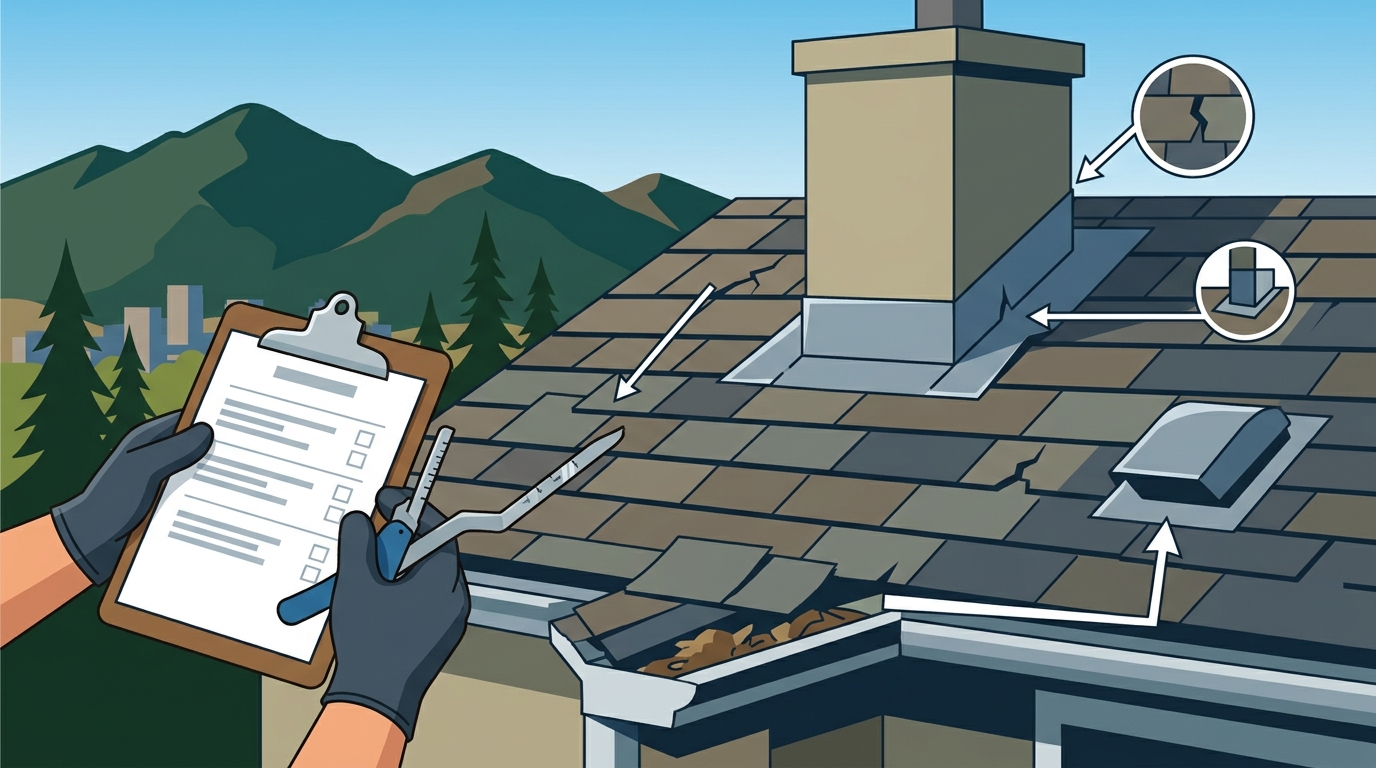
Knowing what to look for helps you understand the severity of any issues found during an inspection. Roofing damage indicators range from minor cosmetic problems to major structural concerns. Recognizing these signs can help you make informed decisions about your home purchase.
Shingle Condition
Shingles are the first line of defense against the elements. Inspectors look for curling, cracking, or missing shingles. They also check for granule loss, which indicates aging and reduced protection. Severe shingle damage can lead to leaks and further structural damage if not addressed.
Flashing and Vent Integrity
Flashing is the metal material that seals joints and penetrations in the roof. Inspectors check for rust, corrosion, or improper installation. They also examine vents to ensure they are secure and not allowing water entry. Compromised flashing is a common source of roof leaks.
Signs of Water Intrusion
Water stains on the attic ceiling or rafters are a clear sign of a leak. Inspectors look for active drips, damp insulation, or mold growth. These indicators suggest that water has already penetrated the roof system. Addressing water intrusion promptly is crucial to prevent long-term damage.
| Damage Indicator | Severity Level | Typical Implication |
|---|---|---|
| Missing or Cracked Shingles | Moderate | Potential for leaks; requires repair |
| Rusted or Loose Flashing | Moderate to High | High risk of water intrusion at joints |
| Attic Water Stains | High | Active or past leak; structural risk |
| Granule Loss | Low to Moderate | Aging roof; reduced lifespan |
Key Takeaways
- Home inspectors in Fort Collins perform visual exterior and interior assessments of the roof.
- Roof inspection is a non-invasive process that does not involve tearing up the roof.
- Key damage indicators include shingle condition, flashing integrity, and signs of water intrusion.
- Foothills Home Inspections provides detailed reports with photos within 24 hours.
- Understanding severity levels helps you prioritize repairs and negotiate effectively.
- Attic inspection is a critical component of a comprehensive roof evaluation.
- Regular maintenance can extend the life of your roof and prevent costly repairs.
Frequently Asked Questions
Do home inspectors climb on the roof?
Inspectors may climb on the roof if it is safe to do so. They prioritize safety and will not climb if conditions are hazardous. They will note if they were unable to access certain areas.
What is the difference between a roof inspection and a roof assessment?
A roof inspection is a visual check for visible damage and condition. A roof assessment may involve more detailed analysis, such as measuring remaining life. Standard home inspections focus on visible issues.
How often should I have my roof inspected?
It is recommended to have your roof inspected at least once a year. More frequent inspections are advisable after severe weather events. Regular checks help catch minor issues before they become major problems.
Can a home inspector detect hidden leaks?
Inspectors can identify signs of past or active leaks, such as water stains or mold. They cannot detect all hidden leaks without invasive testing. Moisture meters may be used to check for dampness in accessible areas.
What should I do if the inspection finds roof damage?
Review the report carefully and consult with a roofing contractor for a second opinion. You can negotiate with the seller for repairs or a price reduction. Do not ignore significant damage, as it can lead to costly structural issues.
Does Foothills Home Inspections offer additional roof services?
Foothills Home Inspections focuses on comprehensive home inspections, including roof evaluation. They also offer radon testing and sewer scoping for a complete home assessment. For specific roof repairs, they can refer you to qualified contractors.