
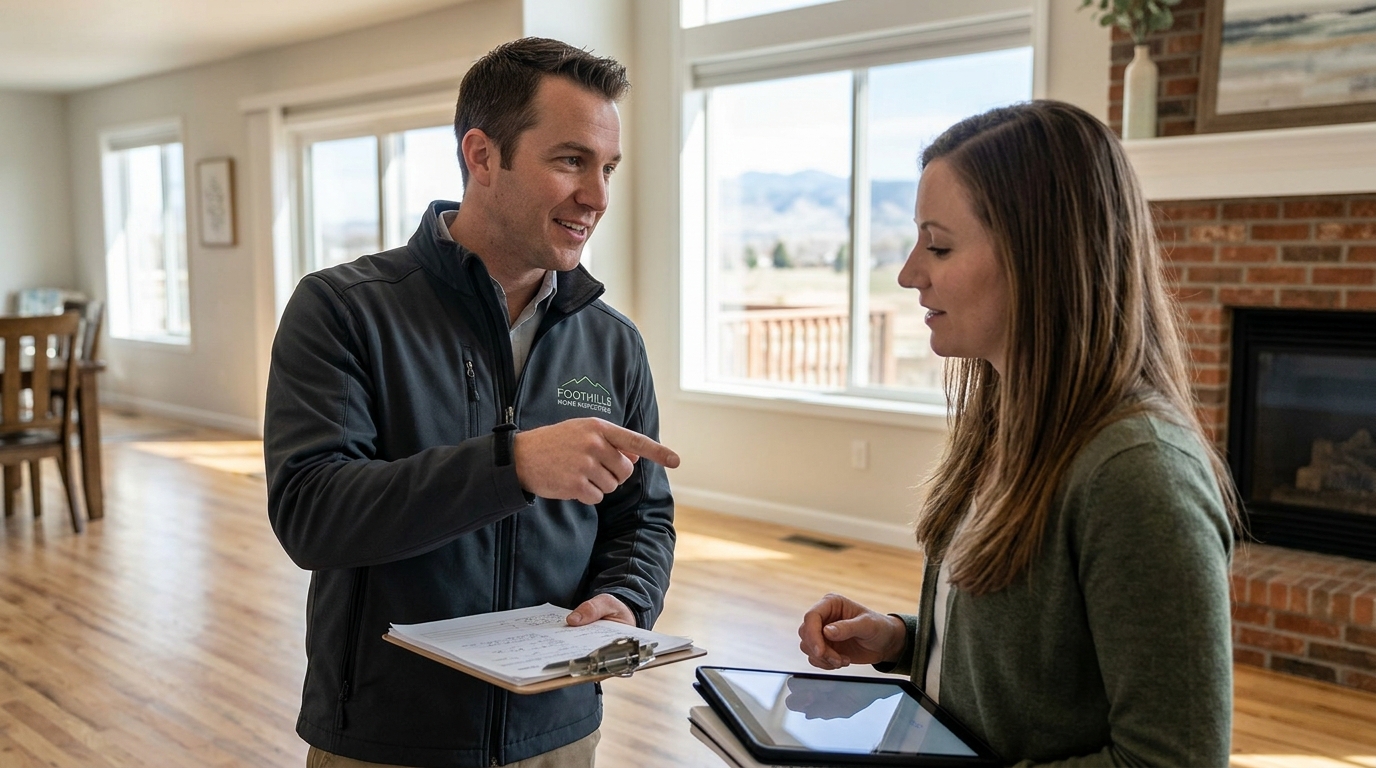
When hiring a home inspector in Fort Collins, you should verify that they hold a valid state license and are a member of a recognized national association like InterNACHI or ASHI. These credentials ensure the inspector has completed rigorous training and adheres to a strict code of ethics. Foothills Home Inspections operates as a certified and insured company in Northern Colorado, providing the transparency buyers need to make informed decisions. For additional details, review the 403 Forbidden.
State Licensing Requirements in Colorado
Home inspection is a regulated profession in Colorado. A home inspector license is a legal authorization granted by the state that allows an individual to perform residential inspections for compensation. Without this license, an inspector is operating illegally, and their report may not be accepted by lenders or real estate agents. The Colorado Division of Professions oversees this process, ensuring that all licensed inspectors meet minimum education and experience thresholds. For additional details, review the .
Prospective inspectors must complete a specific number of classroom hours and pass a state-administered examination. This regulatory framework protects consumers by filtering out unqualified practitioners. For buyers in the Fort Collins area, verifying the license number on the state registry is a critical first step. It confirms that the professional is legally permitted to conduct the evaluation of your potential new home. For additional details, review the Customer Experience.
National Association Membership and Standards
While state licensing is the legal minimum, membership in a national association signals a higher commitment to professional standards. InterNACHI (International Association of Certified Home Inspectors) is one of the largest professional organizations for home inspectors. ASHI (American Society of Home Inspectors) is another prominent body that sets rigorous standards for practice. These organizations require members to pass national examinations and complete ongoing continuing education. For additional details, review the Frequently Asked Questions.
Specialized Training and Certifications
General home inspections cover major systems, but specialized certifications provide deeper expertise in specific areas. A radon certification is a specialized credential that allows an inspector to test for and interpret radon gas levels in a home. Radon is a colorless, odorless gas that can pose significant health risks, making this certification particularly valuable in certain geological regions. Similarly, mold assessment certifications indicate that an inspector has trained in identifying and evaluating fungal growth. For additional details, review the About.
These specialized credentials are not always required for a general inspection, but they add significant value. An inspector with radon or mold training can provide more detailed insights into potential environmental hazards. This depth of knowledge helps buyers understand the true condition of a property beyond surface-level observations. It allows for a more comprehensive risk assessment before the transaction is finalized.
Insurance Coverage and Ethical Standards
Professional liability insurance is a critical qualification that protects both the inspector and the client. This insurance is a financial safeguard that covers potential claims arising from errors or omissions in the inspection report. If a significant defect is missed and later causes damage, this coverage provides a recourse for the homeowner. It demonstrates that the inspector has the financial backing to stand behind their work.
Ethical standards are equally important in maintaining trust. A reputable inspector must remain impartial and objective throughout the evaluation process. They should not have any financial stake in the outcome of the sale. Foothills Home Inspections is a certified and insured company, ensuring that clients are protected by both professional liability coverage and a strict adherence to ethical guidelines. This combination of financial protection and ethical conduct is essential for a smooth and transparent transaction.
How to Verify Inspector Credentials
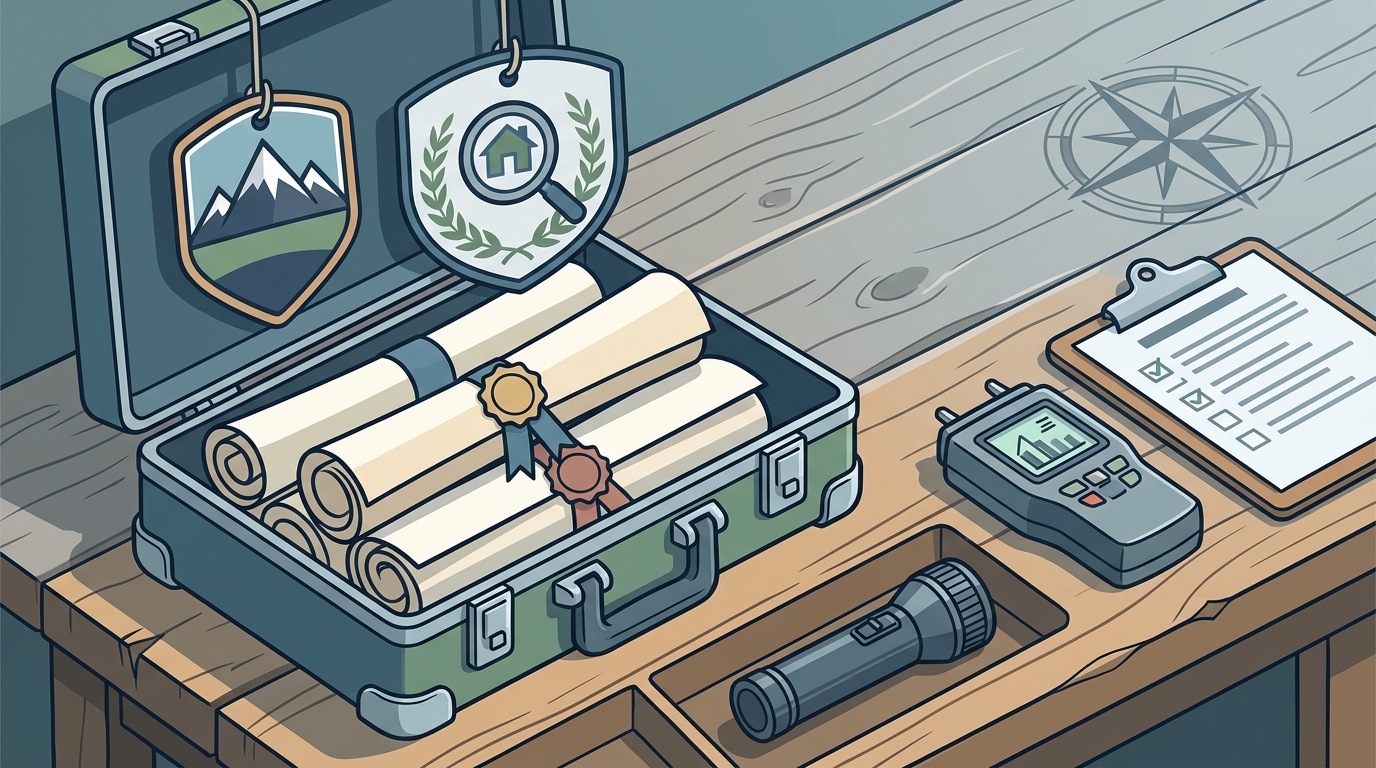
Verifying an inspector's credentials is a straightforward process that requires only a few minutes. You can check the Colorado Division of Professions website to confirm that a license is active and in good standing. Additionally, you can search the directories of InterNACHI or ASHI to verify membership status. These online tools provide immediate confirmation of an inspector's qualifications and any disciplinary actions that may have been taken.
It is also wise to ask for references from recent clients. Speaking with past customers can provide insight into the inspector's communication style and thoroughness. A qualified inspector will welcome these inquiries and provide documentation of their credentials without hesitation. By taking these steps, you ensure that you are hiring a professional who is fully qualified to evaluate your home in Fort Collins.
Key Takeaways
- Verify that the inspector holds a valid Colorado state license through the Division of Professions.
- Check for membership in national associations like InterNACHI or ASHI for higher standards.
- Look for specialized certifications in areas like radon or mold for deeper expertise.
- Ensure the inspector carries professional liability insurance to protect against errors.
- Confirm that the inspector adheres to a strict code of ethics to maintain impartiality.
- Use online directories to verify credentials and check for any disciplinary history.
Frequently Asked Questions
Is a home inspector license required in Colorado?
Yes, home inspection is a licensed profession in Colorado. Inspectors must obtain a license from the state to legally perform residential inspections for compensation.
What is the difference between InterNACHI and ASHI?
Both are national associations for home inspectors. InterNACHI is known for its comprehensive training and certification programs, while ASHI focuses on strict standards of practice and ethics. Both require ongoing education.
Do I need an inspector with radon certification?
While not always mandatory, radon certification is highly recommended. It allows the inspector to test for and interpret radon levels, which is important for health and safety.
How can I check if an inspector is insured?
You can ask the inspector directly for proof of professional liability insurance. Reputable inspectors will provide this documentation upon request.
What should I do if an inspector is not licensed?
Do not hire an unlicensed inspector. Their report may not be valid, and you will have no legal recourse if issues are missed. Always verify the license number with the state.
Does Foothills Home Inspections offer specialized certifications?
Foothills Home Inspections provides comprehensive evaluations and operates as a certified and insured company. They focus on thorough assessments of foundation, roofing, and plumbing systems. Learn more: 403 Forbidden.