
Should You Include Radon Testing in Your Fort Collins Home Inspection?
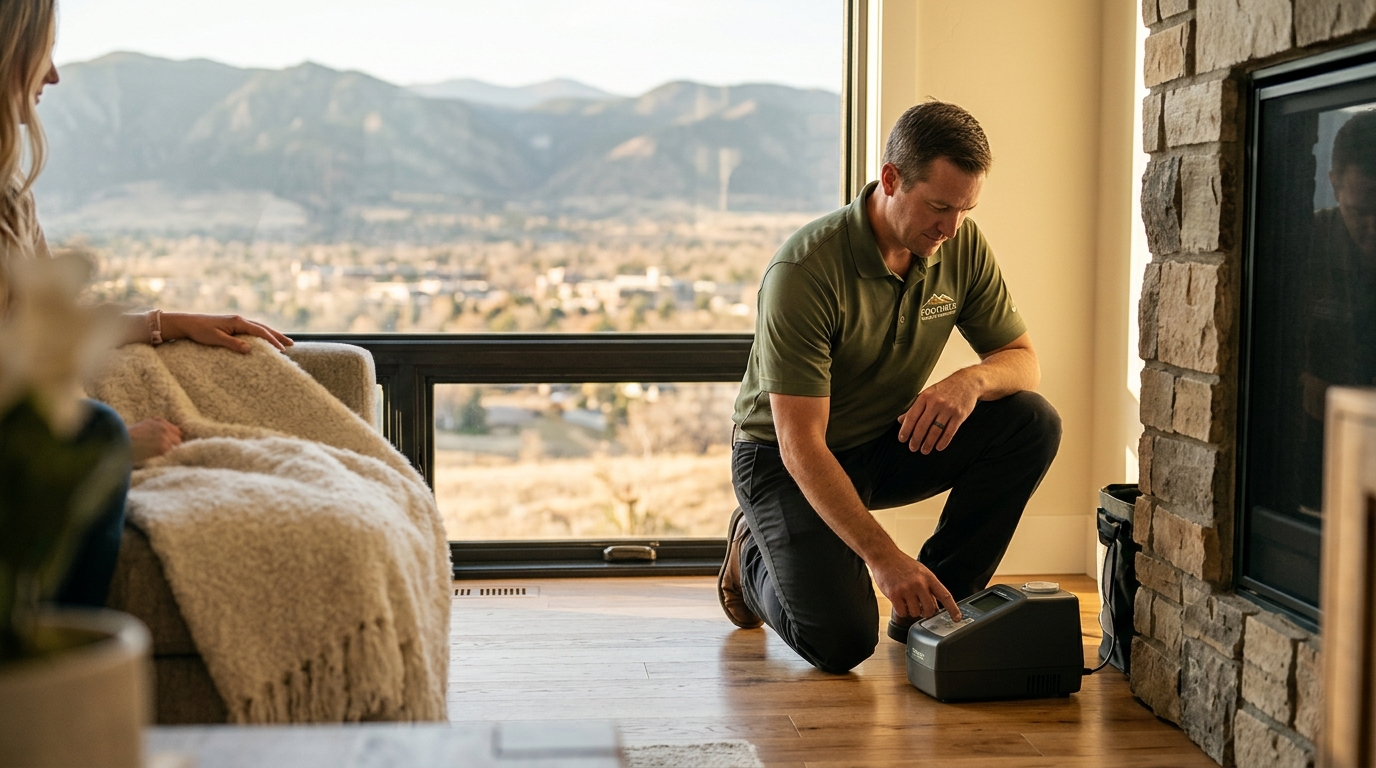
Yes, you should include radon testing in your Fort Collins home inspection. Radon is a colorless, odorless radioactive gas that poses a serious health risk. In Northern Colorado, radon levels can be significantly higher than in many other regions. Foothills Home Inspections recommends this critical test to ensure your family's safety and to provide accurate data for your real estate transaction.
Why Radon Matters in Northern Colorado
Radon is a naturally occurring radioactive gas that results from the decay of uranium in soil, rock, and water. It is invisible and has no smell, making it impossible to detect without specialized testing equipment. The primary danger of radon is that it is the second leading cause of lung cancer in the United States. According to the Environmental Protection Agency (EPA), radon is responsible for approximately 21,000 lung cancer deaths each year. This statistic underscores the severity of the threat, particularly in areas with higher geological concentrations of uranium.
Fort Collins and the broader Northern Colorado region are known for having elevated radon levels. The geology of the area, characterized by specific soil types and rock formations, allows radon to migrate into homes more easily than in other parts of the country. Because radon can enter a home through cracks in the foundation, floors, or walls, no home is immune. However, the risk is statistically higher in this region. Understanding this local context is essential for any homebuyer or seller in the Fort Collins area. according to Radon Test to
Implication: Ignoring radon testing in Fort Collins means ignoring a known, localized health hazard. The cost of a test is minimal compared to the potential health risks and the cost of mitigation work later.
How Radon Enters Your Home
Radon gas is lighter than air, but it can still accumulate in enclosed spaces like basements and ground-floor living areas. The primary mechanism for entry is the pressure difference between the inside of the home and the soil beneath it. When the indoor air pressure is lower than the soil gas pressure, radon is drawn into the home through any opening. These openings include cracks in slab foundations, gaps around pipes, and construction joints.
Seasonal changes also play a significant role in radon levels. In winter, homes are typically sealed tighter to retain heat, and the temperature difference between the warm indoor air and the cold soil increases the pressure differential. This often leads to higher radon concentrations during the colder months. Conversely, levels may drop in the summer when windows are open and ventilation is higher. Therefore, a single test might not capture the full picture of your home's radon exposure over the year.
Implication: Homeowners should be aware that radon levels are not static. They fluctuate based on weather, season, and home ventilation. This variability is why professional testing and periodic re-testing are recommended rather than relying on a single data point. according to Understanding radon Department
The EPA Action Level and What It Means
The U.S. Environmental Protection Agency (EPA) has established a specific action level for radon in homes. This level is 4.0 picocuries per liter (pCi/L). If a radon test reveals a concentration at or above this threshold, the EPA recommends taking immediate action to mitigate the gas. This action level is based on extensive research linking radon exposure to increased lung cancer risk. It is a critical benchmark for home inspectors and buyers to understand.
It is important to note that there is no "safe" level of radon. The EPA and the World Health Organization (WHO) both state that any level of radon above zero carries some risk. However, the 4.0 pCi/L level is the point at which the risk becomes significant enough to warrant mandatory mitigation efforts in most real estate transactions. If your test results fall between 2.0 and 4.0 pCi/L, the EPA suggests considering mitigation, as the risk is still present.
Implication: When reviewing a home inspection report, look specifically for the radon test results. If the level is above 4.0 pCi/L, this is a major red flag that requires negotiation or immediate remediation planning. Do not ignore results in the 2.0 to 4.0 range, as they indicate a need for monitoring or potential mitigation.
Why Professional Testing is Essential
While DIY radon test kits are available, professional testing offers several advantages in terms of accuracy and reliability. A certified inspector, such as those at Foothills Home Inspections, uses calibrated equipment and follows strict protocols to ensure the test is conducted correctly. Improper placement of a test device, for example, can lead to inaccurate readings. Professional testers know the best locations for sensors, typically in the lowest lived-in level of the home, away from windows and doors.
Furthermore, professional testing is often integrated into the broader home inspection process. This allows the inspector to correlate radon levels with other findings, such as foundation cracks or poor ventilation. A comprehensive report provides a clearer picture of the home's overall condition. For buyers, having a professional radon test included in their inspection package provides peace of mind and strengthens their position in negotiations if high levels are found.
Implication: Relying on a professional service ensures that the data you receive is defensible and accurate. This is crucial when making a financial decision of the magnitude of a home purchase. Foothills Home Inspections provides radon testing seven days a week, ensuring that this critical step is not delayed.
Mitigation Options and Costs
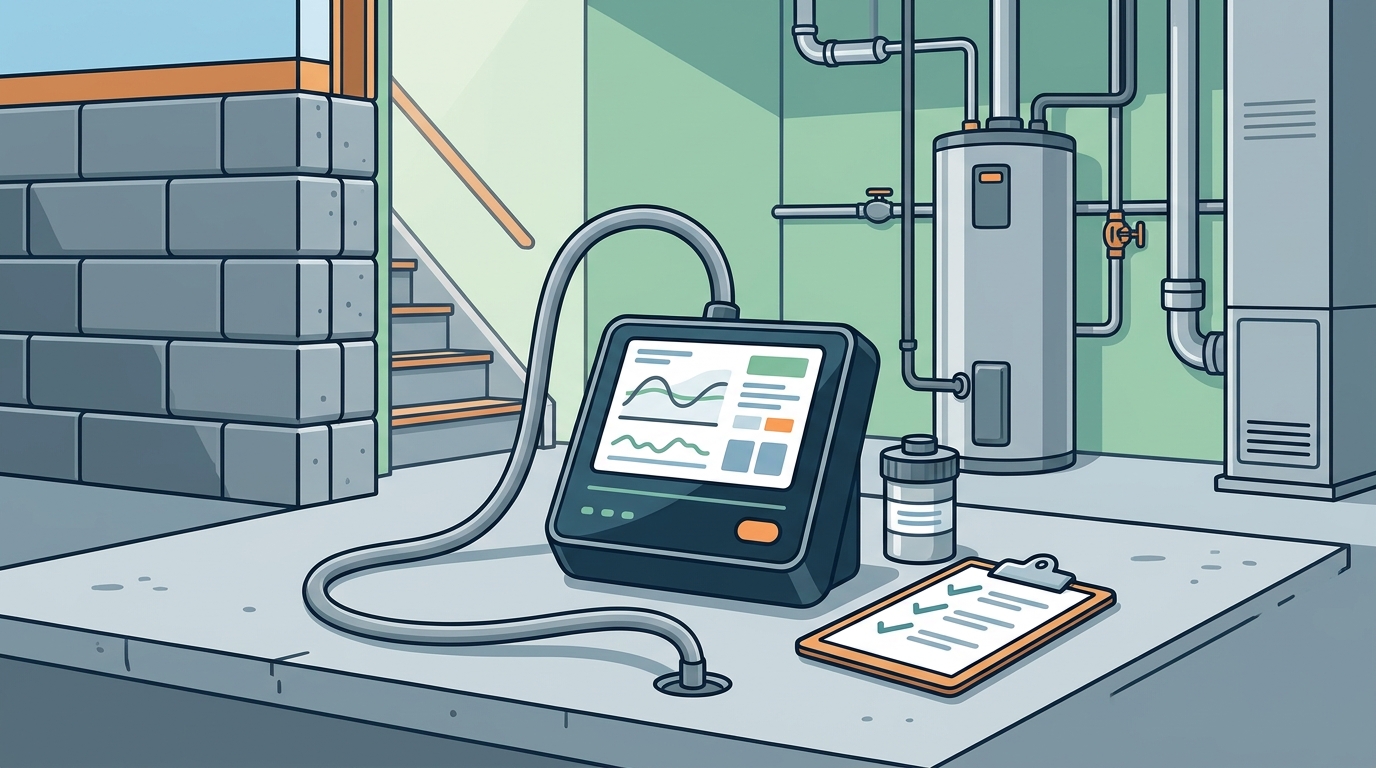
It is important to hire a certified radon mitigation contractor for this work. These professionals are trained to install systems that effectively reduce radon levels to below the EPA action level. After installation, a re-test is required to confirm that the system is working correctly. In many real estate transactions, the seller is asked to cover the cost of mitigation, or the price of the home is adjusted to account for the necessary work.
Implication: Knowing that mitigation is a straightforward and affordable solution removes much of the fear associated with high radon levels. It transforms a potential deal-breaker into a manageable negotiation point. Buyers should not walk away from a home solely because of high radon levels if the seller is willing to address the issue.
Key Takeaways
- Radon is the second leading cause of lung cancer in the U.S., making testing a critical health safety measure.
- Fort Collins and Northern Colorado have higher radon levels than many other regions due to local geology.
- The EPA action level is 4.0 pCi/L; levels above this require mitigation.
- Radon levels fluctuate seasonally, with winter often showing higher concentrations.
- Professional testing is more accurate and reliable than DIY kits for real estate transactions.
- Mitigation is a standard, affordable solution that can be negotiated in home purchases.
- There is no safe level of radon, but risk increases significantly above 4.0 pCi/L.
Frequently Asked Questions
How long does a radon test take?
Most short-term radon tests require the device to remain in the home for 48 to 72 hours. Long-term tests can last 90 days or more. The inspector will provide the device and collect it after the specified period to analyze the results.
Can I live in a home with high radon levels?
While it is possible to live in a home with high radon levels, it is not recommended. Prolonged exposure to radon above the EPA action level significantly increases the risk of lung cancer. Mitigation is strongly advised to reduce this risk.
Does a radon test affect the home's value?
A home with high radon levels may be harder to sell until mitigation is performed. However, once mitigated and re-tested to show levels below 4.0 pCi/L, the home's value is generally not negatively impacted. Disclosure of radon levels is required in many states, including Colorado.
How often should I re-test for radon?
The EPA recommends re-testing every two years, or after any major renovations that affect the foundation or ventilation. If you have a mitigation system, you should re-test annually to ensure it is still functioning correctly.
Is radon testing required by law in Colorado?
Radon testing is not legally required for all home sales in Colorado, but it is highly recommended. Sellers are required to disclose known radon levels if they have been tested. Buyers have the right to request testing as part of their inspection contingency.
Conclusion
Including radon testing in your Fort Collins home inspection is a prudent and essential step. The local geology of Northern Colorado makes radon a more significant concern here than in many other parts of the country. By understanding the risks, the EPA action levels, and the mitigation options, you can make an informed decision about your home purchase. Foothills Home Inspections is committed to providing thorough and accurate assessments, including radon testing, to ensure your safety and peace of mind. To schedule your inspection, today.