
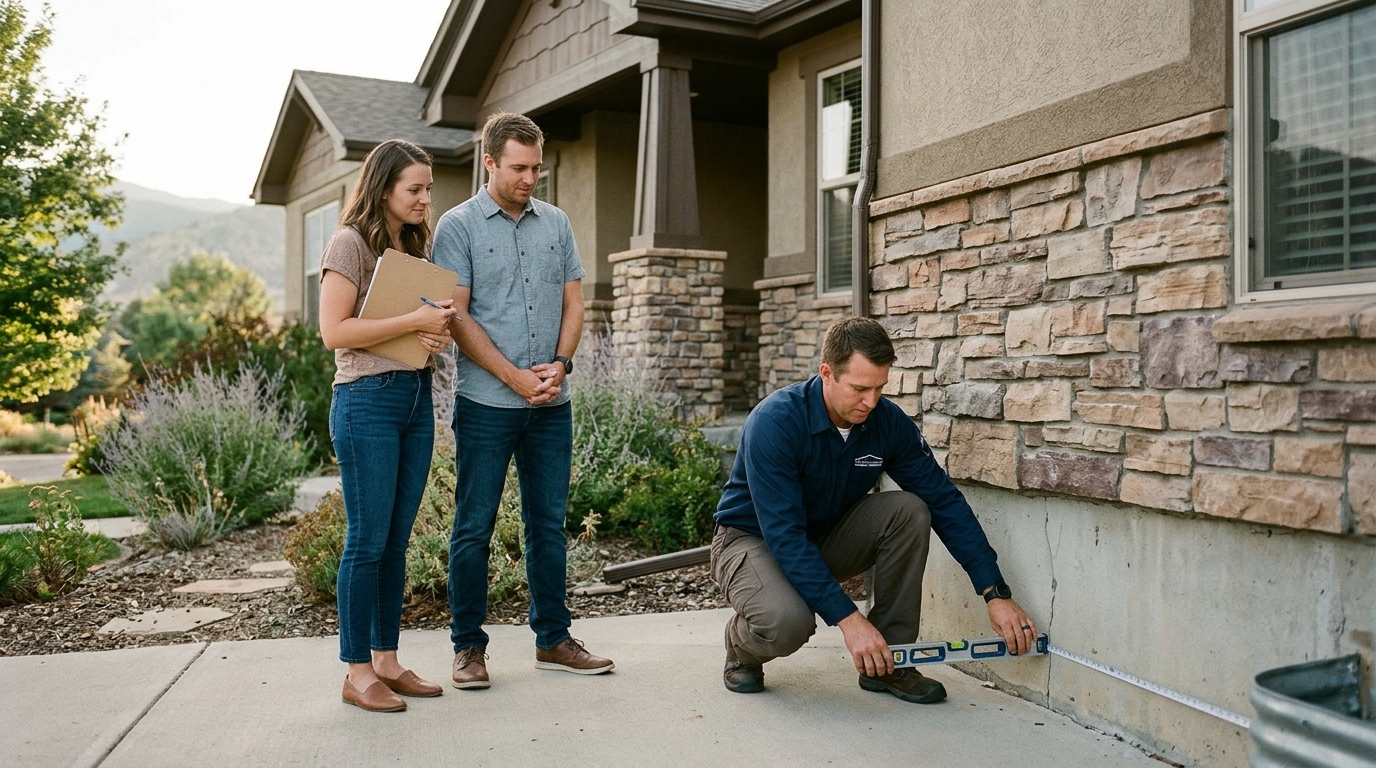
Most Fort Collins homebuyers skip detailed foundation checks, rely on visual cues, or ignore soil movement risks. These oversights lead to costly repairs later. Foothills Home Inspections helps buyers avoid these errors by providing thorough, certified evaluations of a home's structural integrity. Understanding these common pitfalls ensures you make an informed investment in the Northern Colorado market. according to Long Term Impact
Ignoring Local Soil Conditions
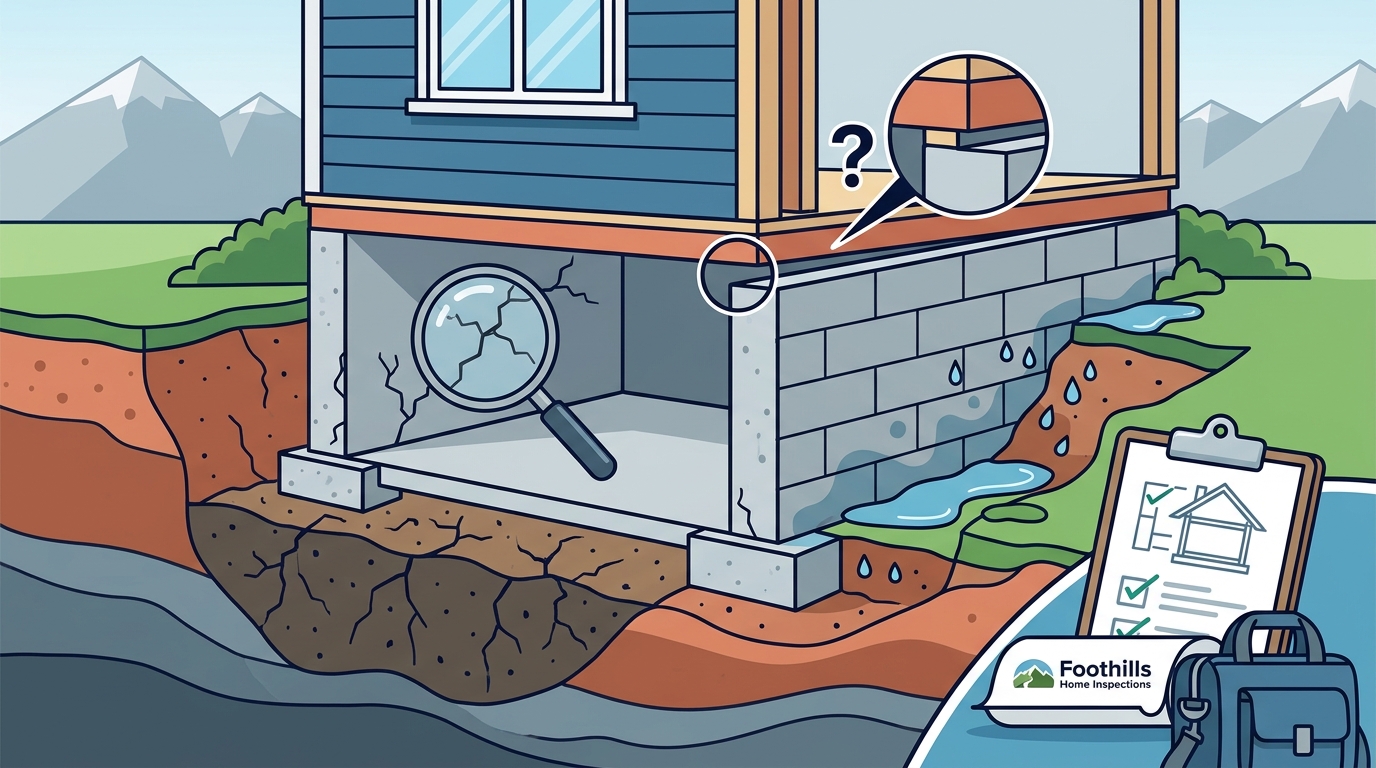
Fort Collins sits on expansive clay soils that react significantly to moisture changes. This soil type is a primary driver of foundation movement in the region. Many buyers assume that a stable-looking exterior means a stable foundation, but the ground beneath the slab is constantly shifting with seasonal rainfall and irrigation. This natural expansion and contraction can cause hairline cracks that widen over time. Ignoring the specific geology of Larimer County is a critical error for any prospective buyer.
The evidence lies in the local climate patterns. Northern Colorado experiences distinct wet and dry cycles that stress the soil. When the soil dries out, it shrinks and pulls away from the foundation. When it becomes saturated, it expands and pushes against the structure. This cycle creates stress points that are not always visible from the outside. A professional inspection must account for these local environmental factors to provide an accurate assessment of the home's long-term stability.
Relying Solely on Visual Cues
Many buyers walk through a home and look for obvious cracks in the walls or doors that stick. While these are signs, they are often late indicators of foundation issues. A foundation inspection is a detailed evaluation of the structural components, not just a surface-level look at drywall. Relying only on what you can see with the naked eye misses subtle signs of stress, such as uneven floor levels or gaps around window frames. These minor details can indicate significant underlying problems that require immediate attention.
Professional inspectors use specific tools and techniques to detect issues that are invisible to the untrained eye. They check for levelness, plumbness, and squareness of the structure. They also examine the foundation walls themselves, looking for cracks, bowing, or spalling. This level of detail is crucial for making an informed decision. Without a professional assessment, buyers may miss critical defects that could lead to major structural failures in the future.
Failing to Use Findings in Negotiation
Once an inspection reveals foundation issues, many buyers panic or simply accept the findings without leveraging them in the purchase agreement. A home inspection contingency is a clause that allows buyers to negotiate repairs or credits based on the inspection results. Failing to use this clause effectively is a common mistake. The inspection report is a powerful tool that can help you negotiate a lower price or request that the seller address specific repairs before closing. Ignoring this opportunity means you may end up paying full price for a home that requires significant investment.
The implication of using inspection findings in negotiation is clear: you protect your financial investment. By presenting the inspector's report to the seller, you have objective evidence of the home's condition. This evidence supports your request for repairs or a price adjustment. It shifts the burden of addressing known issues to the seller, ensuring that you are not left with unexpected costs after closing. Effective negotiation based on inspection data is a key part of the home buying process.
Scheduling Inspections at the Wrong Time
Timing plays a significant role in the accuracy of a foundation inspection. Scheduling an inspection during a period of extreme dryness or saturation can skew the results. For example, inspecting a home during a drought may show signs of soil shrinkage that are not present during normal conditions. Conversely, inspecting after heavy rains may show signs of soil expansion that are temporary. Understanding the local weather patterns and scheduling the inspection at a neutral time can provide a more accurate picture of the foundation's condition. This timing consideration is often overlooked by buyers who are focused on closing dates.
The evidence for this claim is found in the behavior of expansive soils. These soils are highly sensitive to moisture content. A foundation that appears stable during a dry spell may show signs of movement when the soil becomes wet. By scheduling the inspection at a time that reflects average moisture conditions, you get a more reliable assessment. This approach helps you make a better-informed decision about the home's long-term stability.
Choosing the Wrong Inspector
Not all inspectors are created equal. Choosing an inspector who lacks experience with local soil conditions or who does not follow industry standards is a major mistake. A foundation inspection is a specialized service that requires specific knowledge and training. Foothills Home Inspections adheres to the International Association of Certified Home Inspectors (InterNACHI) Standards of Practice and Code of Ethics. This adherence ensures that the inspection is thorough, consistent, and reliable. Choosing an inspector who does not follow these standards may result in a missed defect or an inaccurate report.
The implication of choosing a qualified inspector is peace of mind. A certified and insured inspector provides a report that you can trust. This report serves as a baseline for the home's condition and helps you plan for future maintenance. It also provides a record of the home's state at the time of purchase, which can be valuable in the event of a dispute. By choosing a reputable inspector, you protect your investment and ensure that you are making a sound decision.
Key Takeaways
- Fort Collins expansive clay soils are a primary driver of foundation movement.
- Visual cues alone are insufficient for detecting subtle foundation issues.
- Use inspection findings to negotiate repairs or price adjustments.
- Schedule inspections at neutral moisture levels for accurate results.
- Choose an inspector who adheres to InterNACHI standards.
- Foundation inspections are a critical part of the home buying process.
Frequently Asked Questions
What is a foundation inspection?
A foundation inspection is a detailed evaluation of a home's structural components, including the foundation walls, slab, and supporting systems.
Why are Fort Collins soils a concern for foundations?
Fort Collins sits on expansive clay soils that expand and contract with moisture changes, causing foundation movement.
How can I use inspection findings in negotiation?
You can use the inspection report to request repairs or a price adjustment from the seller.
When is the best time to schedule a foundation inspection?
The best time is during a period of neutral moisture conditions to get an accurate assessment.
What standards should a home inspector follow?
Inspectors should follow the InterNACHI Standards of Practice and Code of Ethics.
Conclusion
Avoiding these common mistakes ensures that you make a sound investment in your new home. By understanding the local soil conditions, relying on professional inspections, and using findings in negotiation, you protect your financial future. Foothills Home Inspections is committed to providing thorough, certified evaluations that give you the confidence to make an informed decision. To schedule your inspection, .