

Home inspection reports are essential documents that provide valuable information about the condition of a property. They help homebuyers, sellers, and homeowners make informed decisions regarding the maintenance, repairs, and improvements of their homes. In this ultimate guide, we will walk you through the key sections of a home inspection report, what each finding means, and how to interpret the results. (30 Home Inspection) (About Us Foothills Home)
What Is a Home Inspection Report?
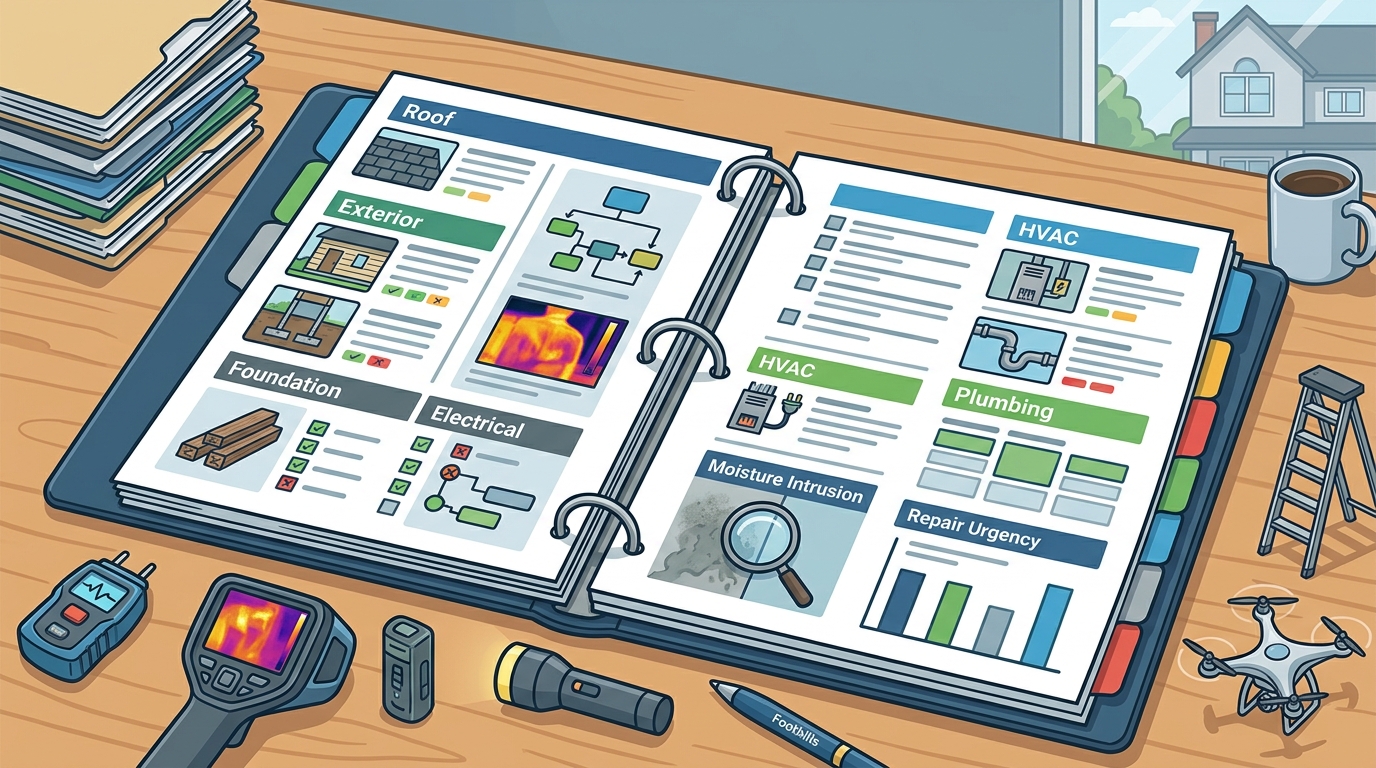
A home inspection report is a document that outlines the findings of a professional home inspection. It covers various aspects of a property, including the structure, electrical systems, plumbing, roofing, and HVAC systems. The report is typically presented in a clear and easy-to-understand format, with detailed descriptions and recommendations for any issues identified. (Radon Testing Foothills Home)
What Is Included in a Home Inspection Report?
A typical home inspection report includes the following sections:
- Executive Summary: A brief overview of the property's condition and any significant issues.
- Detailed Inspection Findings: A comprehensive list of issues found during the inspection, categorized by system or component.
- Recommendations: Suggestions for repairs, maintenance, or improvements based on the findings.
- Glossary: A list of terms used in the report to help clarify any unfamiliar jargon. (Alphabetical List of)
How to Interpret the Findings in a Home Inspection Report
To help you make sense of your home inspection report, it's essential to understand the meaning behind each finding. Here's a breakdown of common terms and their implications:
Defect
A defect is a condition that deviates from the standard or expected level of performance or quality. It may require repair or replacement to maintain the property's safety and functionality.
Repairable Defect
A repairable defect is a condition that can be fixed through maintenance or repair. It may not pose an immediate safety risk but should be addressed to prevent further damage or deterioration.
Major Defect
A major defect is a significant condition that poses a safety risk or significantly impacts the property's functionality. It may require extensive repairs or replacement and should be addressed as soon as possible.
Cosmetic Issue
A cosmetic issue is a condition that affects the property's appearance but does not impact its safety or functionality. It may be worth addressing for aesthetic reasons or to maintain the property's value.
FAQs About Home Inspection Reports
Q: What is the difference between a home inspection report and a home warranty?
A home inspection report is an assessment of the property's current condition, while a home warranty is a contract that covers the repair or replacement of specific systems and appliances for a specified period.
Q: How long does it take to get a home inspection report?
The time it takes to receive a home inspection report depends on the inspector's workload and turnaround time. Most reports are delivered within 24 to 48 hours after the inspection.
Q: Can I attend the home inspection?
Yes, homeowners and buyers are welcome to attend the home inspection. It's an excellent opportunity to learn about the property and ask questions of the inspector.
Q: What should I do if I disagree with the findings in the report?
If you disagree with the findings in the report, you can request a re-inspection or seek a second opinion from another inspector. Be sure to communicate your concerns clearly and provide evidence to support your position.
Conclusion
Understanding your home inspection report is crucial for making informed decisions about your property. By familiarizing yourself with the key sections and terms, you can effectively assess the condition of your home and prioritize any necessary repairs or improvements. If you have any questions or concerns, don't hesitate to contact your home inspector for clarification.
Key Takeaways
- A home inspection report is a document that outlines the findings of a professional home inspection.
- The report covers various aspects of a property, including the structure, electrical systems, plumbing, roofing, and HVAC systems.
- Understanding the meaning behind each finding is essential for making informed decisions about your property.
- Defects, repairable defects, major defects, and cosmetic issues are common terms found in home inspection reports.
- Home inspection reports are delivered within 24 to 48 hours after the inspection, and homeowners and buyers are welcome to attend.
Frequently Asked Questions
-
What is a home inspection?
A home inspection is a professional assessment of a property's condition, focusing on the major systems and components, such as the structure, electrical systems, plumbing, roofing, and HVAC systems.
-
What is the purpose of a home inspection?
The purpose of a home inspection is to identify any issues that may impact the safety, functionality, or value of a property. It provides homeowners, buyers, and sellers with valuable information to make informed decisions about the property.
-
How long does a home inspection take?
A typical home inspection takes between 2 to 4 hours, depending on the size and complexity of the property.
-
What is included in a home inspection?
A home inspection includes an assessment of the property's major systems and components, such as the structure, electrical systems, plumbing, roofing, and HVAC systems.
-
What is not included in a home inspection?
A home inspection does not include services like pest inspections, pool inspections, or septic system inspections. These services require specialized expertise and should be arranged separately.
-
How much does a home inspection cost?
The cost of a home inspection depends on the size and location of the property. On average, home inspections cost between $300 and $500.
-
What should I wear during a home inspection?
Wear comfortable clothing and shoes, as you may be required to walk through various areas of the property.
-
Can I attend the home inspection?
Yes, homeowners and buyers are welcome to attend the home inspection. It's an excellent opportunity to learn about the property and ask questions of the inspector.
-
What happens if issues are found during a home inspection?
If issues are found during a home inspection, the inspector will provide recommendations for repairs or improvements. Homeowners and buyers can then decide how to address the issues based on their priorities and budget.