
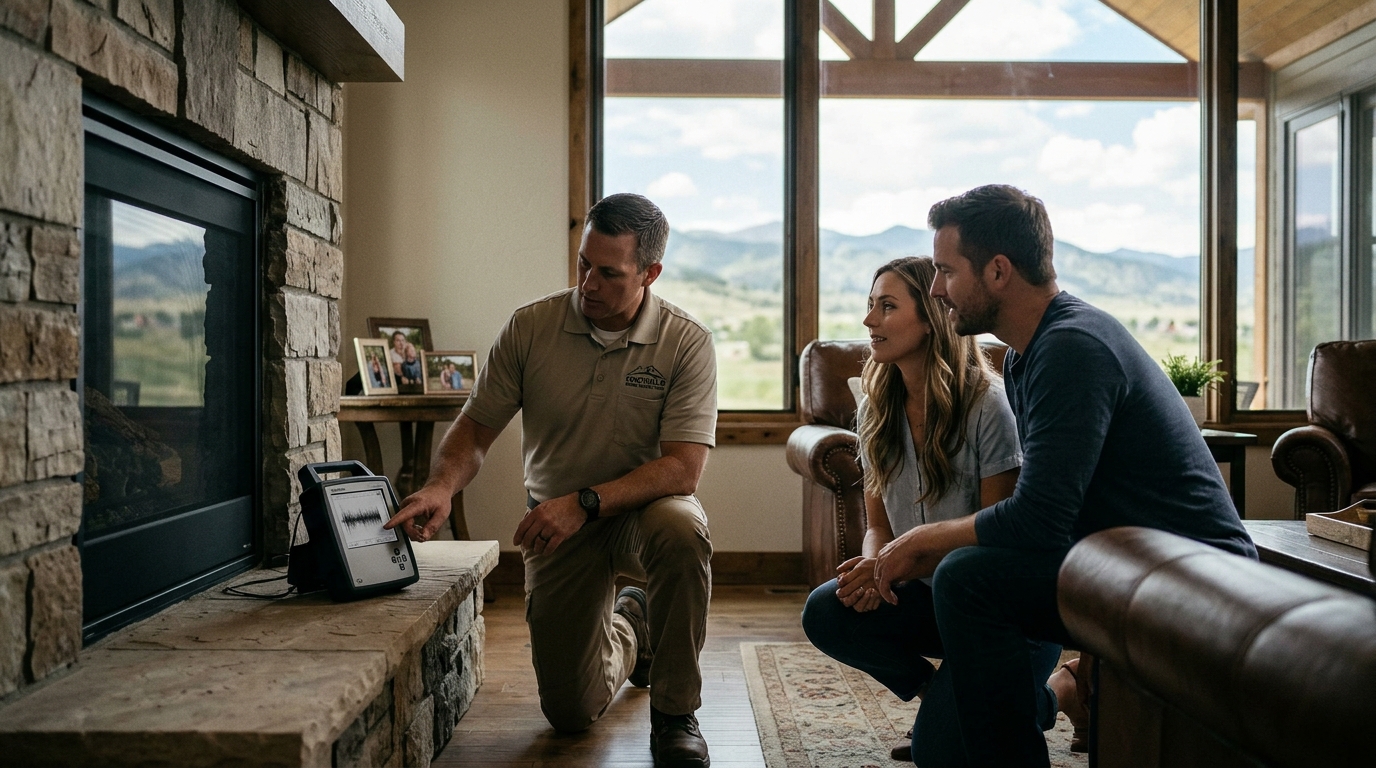
Radon is a colorless, odorless radioactive gas that poses a significant health risk to residents. Because it is the second leading cause of lung cancer in the United States, verifying the technical competence of the professional testing your home is critical. Foothills Home Inspections provides certified radon testing services in Northern Colorado, ensuring that the data you receive is accurate and actionable. This guide outlines the specific steps to validate an inspector's qualifications before you book an appointment.
1. Confirm State-Specific Radon Certification
Check for a valid license or certification specific to radon mitigation and testing in your state. Many home inspectors hold general residential inspection licenses, but radon testing often requires separate, specialized certification. In Colorado, professionals must adhere to specific state regulations regarding radon measurement. You should ask the inspector to provide their certification number and verify it against the state's official registry. This ensures they are legally authorized to perform the test and interpret the results.
2. Verify National Accreditation Standards
Look for membership in recognized national bodies like InterNACHI or NACHI. National associations often have stricter ethical and technical standards than state minimums. Foothills Home Inspections adheres to the International Association of Certified Home Inspectors (InterNACHI) Standards of Practice and Code of Ethics. Membership in these organizations indicates a commitment to ongoing education and professional integrity. It also provides a channel for recourse if the service does not meet expectations.
3. Review the Testing Methodology
Ensure the inspector uses EPA-recommended testing protocols and equipment. Radon testing is not a one-size-fits-all process; the method used affects accuracy. The Environmental Protection Agency (EPA) recommends specific protocols for short-term and long-term testing. Ask the inspector which devices they use, such as charcoal canisters or digital monitors, and how they calibrate them. A qualified professional will explain the pros and cons of different methods and why they choose a specific one for your home's layout.
4. Check for Radon Mitigation Experience
Confirm the inspector understands the difference between testing and mitigation. Testing identifies the problem, but mitigation solves it. While a tester does not always need to be a mitigation contractor, they should understand the process to advise you correctly. If levels are high, you will need a certified radon mitigation contractor. An inspector who understands the connection between test results and mitigation systems can better guide you on next steps. This expertise prevents confusion and ensures you hire the right specialist for repairs.
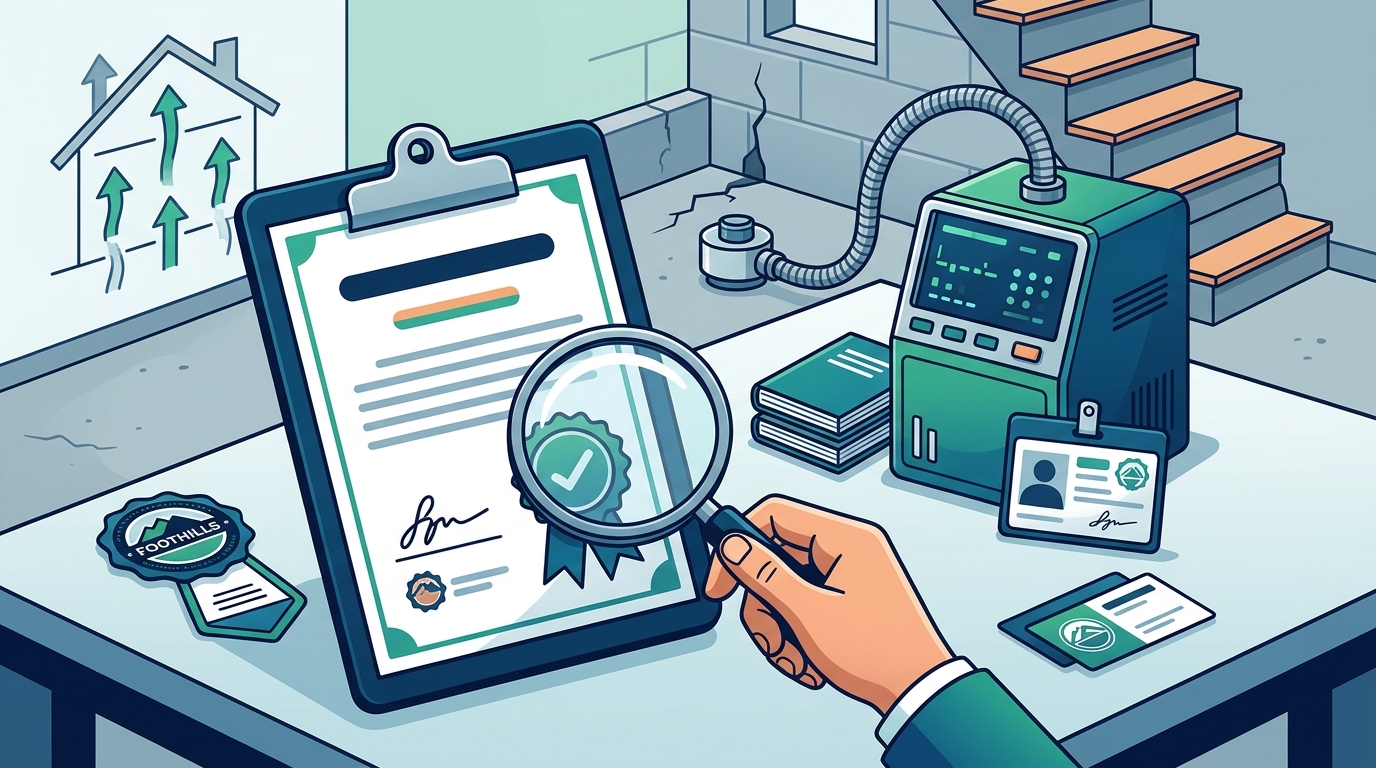
5. Examine the Report Format and Turnaround Time
Request a sample report to see how results are presented and delivered. The value of a test lies in how clearly the data is communicated. A professional report should include the test duration, location of the device, and a clear comparison to the EPA action level of 4.0 pCi/L. Foothills Home Inspections typically delivers reports within 24 hours of the completed inspection. Fast, clear reporting is essential when you are on a tight closing timeline. It allows you to make informed decisions without delaying the transaction.
6. Validate Local Knowledge of Soil Conditions
Ask about the inspector's experience with local geology and soil types. Radon levels are influenced by the underlying soil and rock composition. Northern Colorado has specific geological characteristics that can affect radon entry into homes. An inspector familiar with the region will know which areas are prone to higher radon levels. This local knowledge helps them place test devices in the most representative locations. It also allows them to provide context for the results, explaining why a specific home might have higher levels than its neighbors.
7. Read Recent Client Reviews
Search for recent online reviews that mention radon testing specifically. General home inspection reviews are helpful, but you need feedback on the radon service. Look for comments about the professionalism of the technician, the clarity of the report, and the responsiveness of the company. Foothills Home Inspections has maintained a strong reputation with numerous five-star reviews on Google. Recent reviews are more indicative of current service quality than older ones. They provide social proof that the company delivers on its promises regarding radon testing.
Choosing the Right Professional
When selecting a radon testing provider, prioritize transparency and certification over price. A slightly higher cost for a certified, experienced professional is a small investment compared to the health risks of inaccurate data. Ensure the inspector is willing to answer your questions thoroughly and provide a clear, actionable report. This approach protects your health and your real estate investment.
Frequently Asked Questions
What is the EPA action level for radon?
The EPA recommends taking action to reduce radon levels if they are 4.0 pCi/L or higher. This level is considered the threshold where the risk of lung cancer increases significantly. Testing at or above this level requires mitigation to protect occupants.
How long does a radon test take?
Short-term radon tests typically take between 2 and 7 days. Long-term tests can last 90 days or more. The duration depends on the testing method and the purpose of the test, such as a real estate transaction or long-term monitoring.
Can a home inspector perform radon mitigation?
Generally, no. Home inspectors test for radon but do not perform mitigation. Mitigation requires a separate certification as a radon mitigation contractor. However, a good inspector will refer you to a qualified contractor if high levels are found.
Is radon testing required by law in Colorado?
Radon testing is not always legally required for every home sale in Colorado, but it is strongly recommended. Many buyers request it as a contingency in the purchase agreement. It is a standard part of a comprehensive home inspection in high-radon areas.
How often should I retest for radon?
If your home has high radon levels, you should retest after mitigation to ensure the system is working. If levels are low, it is recommended to retest every two years. Radon levels can fluctuate due to weather and seasonal changes, so periodic monitoring is wise.
Conclusion
Verifying the credentials of your radon testing provider is a crucial step in protecting your family's health. By checking state certifications, national accreditations, and local experience, you can ensure you are working with a qualified professional. Foothills Home Inspections is committed to providing accurate, timely, and ethical radon testing services in Northern Colorado. To schedule your inspection or learn more about our services, today.