
Common Home Inspection Mistakes in Fort Collins and How to Avoid Them
Buying a home in Northern Colorado is a significant financial milestone that requires meticulous attention to detail. According to recent industry data, approximately 90% of homebuyers choose to hire a professional inspector, yet many still fall victim to avoidable errors that compromise their investment. Industry statistics show that skipping critical components like radon testing or sewer scoping can lead to repair costs exceeding $10,000 in the Fort Collins area. This guide outlines the most frequent pitfalls buyers encounter and provides a strategic framework to ensure your home inspection in Loveland, Windsor, or Boulder delivers maximum protection and value. (About Us Foothills Home)
Skipping Radon Testing in Northern Colorado
One of the most critical mistakes homebuyers make in this region is failing to include radon testing in their initial inspection scope. Radon is a radioactive gas that seeps into homes through foundation cracks and soil gaps. It is the second leading cause of lung cancer in the United States. The EPA reports that radon affects homes across all 50 states, with higher concentrations often found in the Rocky Mountain region. (Booking Foothills Home Inspections)
Radon testing is not a standard part of a general home inspection. It requires a specialized, certified professional and specific testing equipment. If you wait until after the inspection to add this service, you may delay closing by several days while waiting for the 48-hour test results. Colorado health data shows that many counties in Northern Colorado have elevated radon potential. Therefore, integrating this test during the initial inspection phase is a strategic necessity, not an optional luxury. (Articles Foothills Home Inspections)
Ignoring Sewer Line Conditions
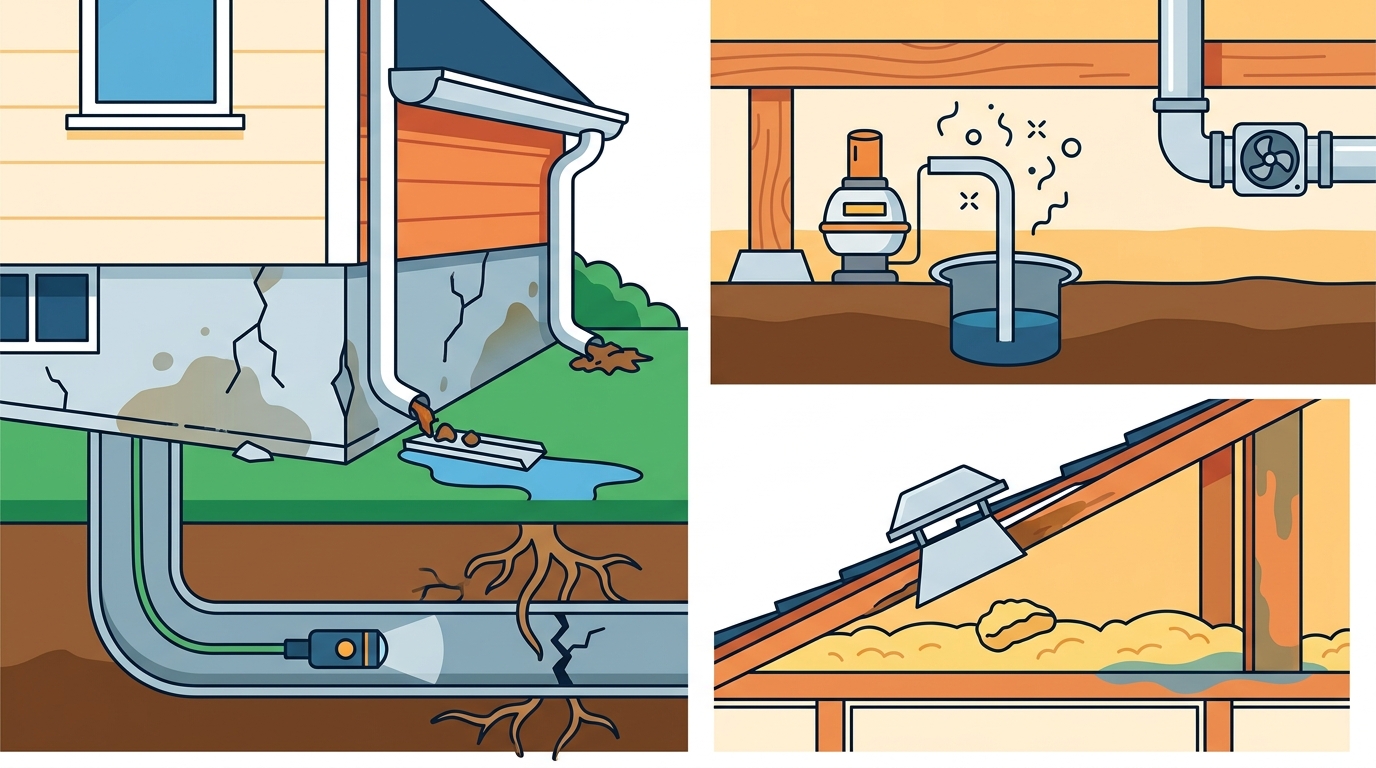
Another costly error is neglecting to inspect the sewer line. Many older homes in Fort Collins and Windsor have aging clay or cast-iron pipes that are prone to root intrusion, bellies, or collapse. A general home inspector typically only checks the interior plumbing fixtures. They do not crawl into the yard to scope the exterior sewer line unless specifically hired to do so.
A sewer scope is a video inspection of the line from the house to the street connection. HomeAdvisor data indicates that sewer line repairs can cost between $3,000 and $25,000 depending on the depth and length of the line. Discovering a collapsed sewer line after closing can be financially devastating. By requesting a sewer scope upfront, you gain visibility into a hidden infrastructure component that is impossible to assess from inside the home.
Rushing the Physical Walkthrough
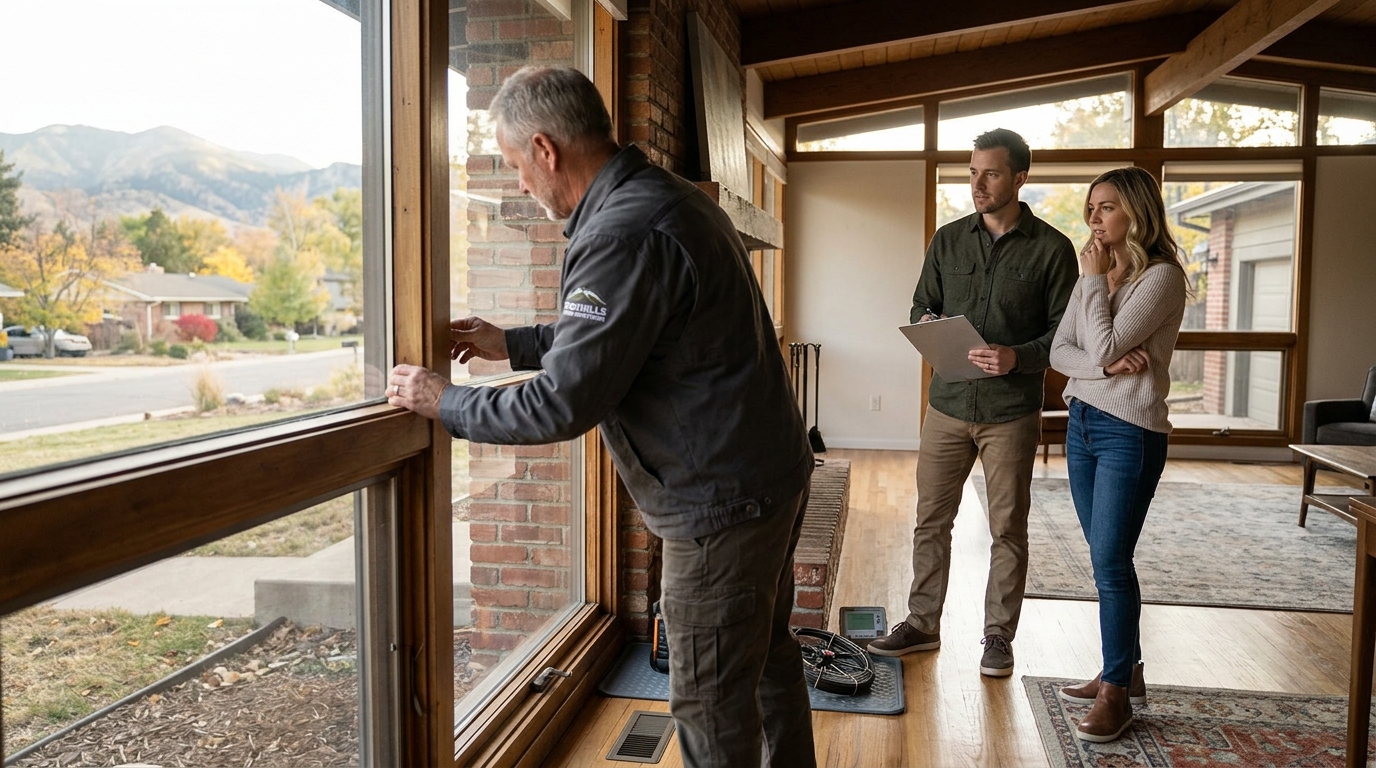
Attending the inspection is vital, but many buyers rush through the process. A thorough home inspection in a typical Northern Colorado residence takes between two to four hours. If you leave early or spend most of the time on your phone, you miss the opportunity to ask questions in real-time.
The walkthrough is your chance to see the condition of the roof, attic, and basement firsthand. You can ask the inspector to demonstrate how to shut off the water main or how the HVAC system operates. Professional inspector guidelines emphasize that the physical inspection is an educational process. Treating it as a mere formality deprives you of the knowledge needed to maintain your new home effectively.
Relying on the Lowest Price
Price is a factor, but choosing the cheapest inspector is a dangerous mistake. Home inspection is a service where you get what you pay for. An inspector who charges significantly less than the market average may be cutting corners, such as skipping the attic or not using thermal imaging cameras for electrical and moisture detection.
Experience and certification matter. Look for an inspector who is certified by the American Home Inspectors Training (AHIT) or similar bodies. Consumer Reports data suggests that experienced inspectors are more likely to identify subtle signs of structural damage or pest infestation. In Northern Colorado, where freeze-thaw cycles can impact foundations, an experienced eye is invaluable.
Misinterpreting the Final Report
The inspection report is a snapshot of the home's condition at the time of the inspection. It is not a pass/fail certificate. A common mistake is assuming that a "clean" report means the home is perfect. Conversely, a report with many findings does not mean the home is uninhabitable.
Understanding the severity of findings is key. Some issues are cosmetic, while others are safety defects or major structural concerns. Zillow research highlights that buyers often overreact to minor cosmetic issues while ignoring critical safety defects. Work with your real estate agent to prioritize repairs and negotiate credits based on the actual impact of the findings on the home's value and safety.
Key Takeaways
- Radon is mandatory in this region: Do not skip radon testing; it is a critical health and safety requirement in Northern Colorado.
- Sewer scopes prevent massive costs: Video inspecting the sewer line can save you thousands in potential repair bills.
- Attend the walkthrough: Use the physical inspection to learn about the home's systems and ask immediate questions.
- Value experience over price: Choose a certified, experienced inspector rather than the lowest bidder to ensure thoroughness.
- Contextualize the report: Work with your agent to distinguish between cosmetic flaws and major structural defects.
- Timely reporting: Ensure your inspector provides a detailed report within 24 hours to keep your closing on schedule.
- Local expertise matters: Hire a locally owned inspector who understands the specific climate and construction styles of Fort Collins and Windsor.
Frequently Asked Questions
How long does a home inspection take in Fort Collins?
A standard home inspection typically takes between two to four hours, depending on the size and age of the home. Larger properties or those with additional services like sewer scoping will take longer.
Is radon testing included in the standard home inspection price?
No, radon testing is usually an add-on service. It requires specialized equipment and a separate certification, so it is billed separately from the general home inspection.
What is a sewer scope and why do I need it?
A sewer scope is a video inspection of the sewer line from the house to the street. It is necessary to detect root intrusion, cracks, or collapses that are not visible during a standard inspection.
Can I hire an inspector who also does repairs?
No, you should never hire an inspector who also offers to do repairs. This creates a conflict of interest. An independent inspector provides an unbiased assessment of the home's condition.
How quickly will I receive my inspection report?
Most professional inspectors, including Foothills Home Inspections, provide detailed reports within 24 hours of the inspection. Some may offer same-day reports if the inspection is completed early in the day.
What should I look for in a home inspector?
Look for certification, insurance, experience, and local knowledge. Check their reviews and ensure they offer comprehensive services like radon testing and sewer scoping.
Do I need to be present for the entire inspection?
While not mandatory, it is highly recommended. Attending the walkthrough allows you to see issues firsthand and ask questions directly to the inspector.
Schedule Your Inspection
Don't leave your home purchase to chance. Avoid common mistakes by hiring a certified, locally owned inspector who understands the unique challenges of Northern Colorado real estate. Foothills Home Inspections provides thorough, detailed inspections with radon testing and sewer scoping options. Contact us today to schedule your inspection and protect your investment.
Book Inspection Online