
Radon is an invisible, odorless gas that poses a severe health risk to homeowners across Northern Colorado. According to the Environmental Protection Agency, radon is the second leading cause of lung cancer in the United States, responsible for approximately 21,000 deaths annually. This statistic underscores why selecting the right testing provider in Fort Collins is not merely a convenience but a critical safety imperative. Many homeowners rush this process, unaware that the methodology and expertise behind the test dictate the accuracy of the results. This guide outlines the most frequent errors buyers and sellers make when navigating radon mitigation and testing in the region. (Booking Foothills Home Inspections)
Ignoring the Difference Between Short-Term and Long-Term Tests
One of the most common errors in the Fort Collins real estate market is relying solely on short-term tests without understanding their limitations. A short-term test typically lasts between two to seven days. While these tests provide quick data, radon levels can fluctuate significantly due to weather changes, barometric pressure, and seasonal variations. Relying on a single day's data can lead to false positives or false negatives.
For a more accurate assessment, long-term tests that run for 90 days or longer are recommended. These tests provide a true annual average of radon levels in the home. However, in the context of a real estate transaction, time is often of the essence. The best approach is to use a short-term test for immediate negotiation leverage, followed by a long-term test if the initial results are borderline. This two-step verification process ensures that you are not making a multi-million dollar decision based on a temporary anomaly.
Choosing the Lowest Price Over Certification
Price is a significant factor for many homeowners, but it should never be the primary driver when selecting a radon testing provider. The market is flooded with unlicensed individuals offering cheap testing services. These providers often lack the specialized equipment and training required to interpret complex soil gas data correctly. In Colorado, radon testing requires specific certification to ensure compliance with state and federal guidelines.
When you hire a certified professional, you are paying for accuracy and liability protection. A certified inspector uses calibrated equipment and follows strict protocols to ensure the test is not compromised by external factors. For instance, the placement of the detector is critical. If placed in a basement with poor ventilation or near a heat source, the results will be skewed. Foothills Home Inspections is led by Daniel Johnson, a certified professional who prioritizes accuracy over speed. His background in construction and remodeling allows him to identify potential sources of error that untrained testers might miss. Always verify your inspector's credentials before booking a service.
Skipping Pre-Listing Tests for Sellers
Sellers often view radon testing as a buyer's concern. This is a dangerous misconception. In Northern Colorado, radon is a known issue, and buyers will almost certainly request a test. If you wait until the inspection contingency period, you risk the deal falling through if levels are high. A pre-listing radon test allows you to address the issue proactively.
By testing before you list your home, you can install a mitigation system if necessary. This demonstrates transparency to potential buyers and can actually increase the marketability of your property. It removes a major hurdle from the negotiation table. Furthermore, having a clean report from a reputable local provider can serve as a powerful marketing tool. It signals to buyers that the home has been vetted by a trusted local expert. Professional radon testing services provide detailed reports that can be shared with real estate agents to streamline the closing process.
Neglecting Sewer Scope Integration
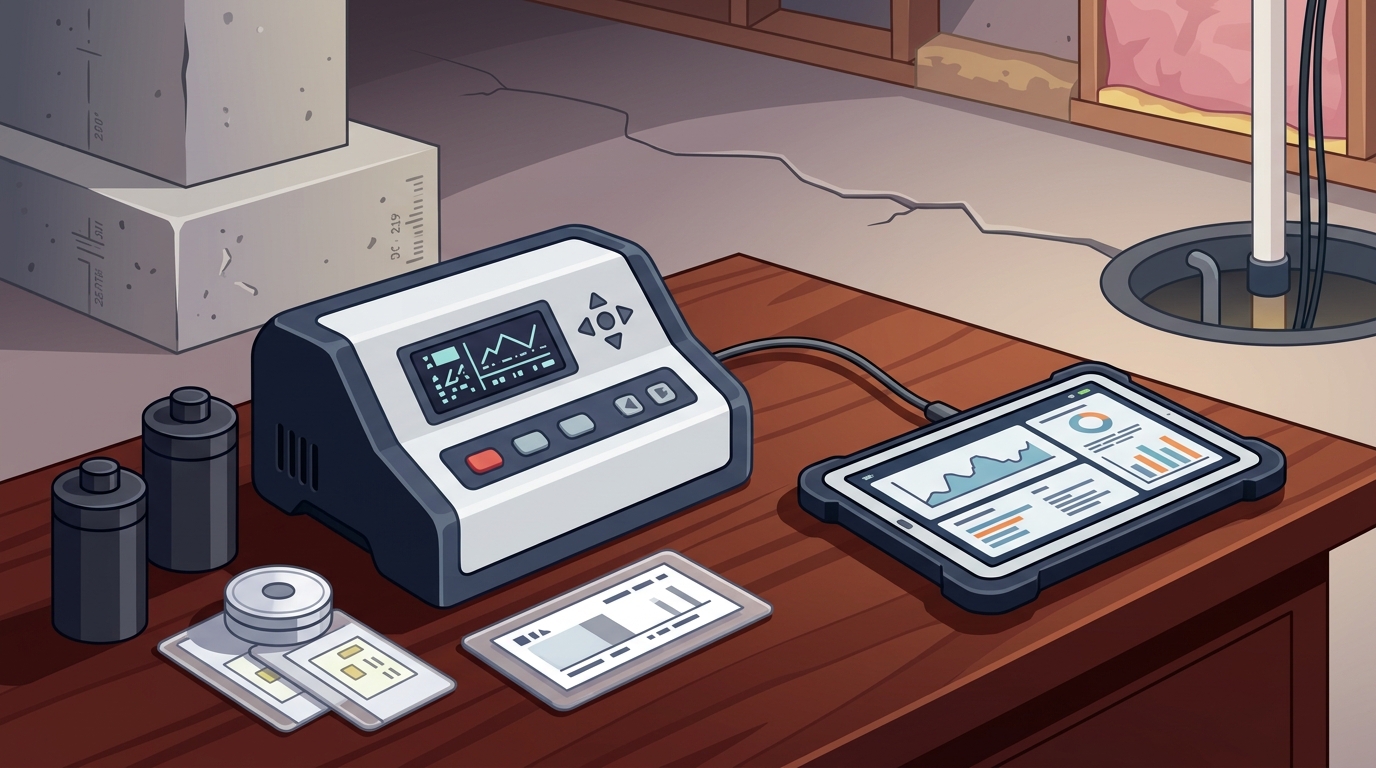
Radon gas can enter a home through multiple pathways, including cracks in the foundation, sump pumps, and floor drains. In older homes in Fort Collins, the sewer and drain lines are often a primary entry point for radon. Many standard radon tests do not account for this specific pathway. If you are testing a home with a basement or a slab foundation, it is crucial to integrate a sewer scope inspection into your testing protocol.
A sewer scope involves inserting a camera into the drain lines to check for cracks, breaks, or improper seals. These defects can allow radon gas to seep into the living space. By combining radon testing with a sewer scope, you get a comprehensive view of the home's structural integrity. Foothills Home Inspections offers integrated sewer scoping services that ensure no entry point is overlooked. This holistic approach is particularly important in areas with older infrastructure, where pipe degradation is more common.
Failing to Verify Local Service Areas
Radon levels can vary significantly even within small geographic areas. Soil composition, geology, and building materials all influence radon accumulation. A provider who services a vast region may not have the nuanced understanding of Fort Collins-specific soil conditions. Local inspectors are familiar with the unique geological profiles of Larimer County and can provide more accurate contextual advice.
Additionally, local providers are more likely to be familiar with the specific requirements of local real estate agents and lenders. They can provide reports that meet the standards of the Fort Collins Board of Realtors and other local stakeholders. This familiarity can speed up the closing process and reduce friction during negotiations. When choosing a provider, ask about their experience with homes in your specific neighborhood. A provider who understands the local market can offer valuable insights beyond just the test results.
Comparison of Testing Approaches
| Testing Method | Duration | Accuracy | Best Use Case |
|---|---|---|---|
| Short-Term Test | 2-7 Days | Variable | Real Estate Transactions |
| Long-Term Test | 90+ Days | High | Personal Health Monitoring |
| Continuous Monitor | 48+ Hours | High | Detailed Data Analysis |
| Integrated Sewer Scope | 1-2 Hours | Specific | Entry Point Verification |
Key Takeaways
- Radon is the second leading cause of lung cancer, making accurate testing essential for all Northern Colorado homeowners.
- Short-term tests are useful for real estate transactions, but long-term tests provide a more accurate annual average.
- Certification is non-negotiable; always hire a certified inspector to ensure compliance and accuracy.
- Sellers should consider pre-listing tests to avoid deal failures and build buyer trust.
- Integrating sewer scoping with radon testing provides a comprehensive view of potential gas entry points.
- Local expertise matters; providers familiar with Fort Collins soil conditions offer better contextual advice.
- Foothills Home Inspections has been serving Northern Colorado since 2015, providing certified and insured services.
Frequently Asked Questions
How much does radon testing cost in Fort Collins?
The cost of radon testing in Fort Collins varies depending on the type of test and the provider. Short-term tests typically range from $150 to $300, while long-term tests may cost more due to the extended duration and equipment rental. Integrated services that include sewer scoping will have a higher price point but offer greater value. It is important to get a detailed quote before booking.
Is radon testing required by law in Colorado?
While radon testing is not strictly mandated by state law for all residential transactions, it is highly recommended and often required by mortgage lenders. Many real estate contracts include a radon inspection contingency. Failure to address radon issues can lead to financing problems or legal liabilities for sellers.
How long does a radon test take?
A short-term radon test typically lasts between two to seven days. During this time, the home must remain closed with windows and doors shut as much as possible to ensure accurate results. Long-term tests run for 90 days or longer and provide a more comprehensive data set.
What should I do if my radon test results are high?
If your radon test results are high, you should contact a licensed radon mitigation professional immediately. Mitigation systems, such as sub-slab depressurization, are highly effective at reducing radon levels. In many cases, the cost of mitigation can be negotiated into the sale price of the home.
Can I perform radon testing myself?
While DIY radon test kits are available, they may not provide the same level of accuracy or legal standing as a professional test. Professional inspectors use calibrated equipment and follow strict protocols to ensure the results are valid for real estate transactions. For peace of mind and legal protection, hiring a certified professional is the best option.
Does Foothills Home Inspections offer radon testing?
Yes, Foothills Home Inspections offers comprehensive radon testing services in Fort Collins, Loveland, Windsor, and surrounding Northern Colorado communities. Our certified inspectors provide detailed reports and can integrate sewer scoping for a complete assessment.
How quickly will I receive my radon test results?
Results from short-term tests are typically available within 24 hours of the test completion. Foothills Home Inspections is committed to providing timely reports to help you meet closing deadlines. Long-term test results are available once the testing period is complete.
Secure Your Home Today
Do not leave your home's safety to chance. Radon is a silent threat that requires professional attention to detect and mitigate. By avoiding these common mistakes and choosing a certified, local provider, you can ensure your family's safety and protect your investment. Schedule your radon inspection online today or call 970-567-8180 to speak with a certified inspector. Trust Foothills Home Inspections for accurate, reliable, and comprehensive testing services in Northern Colorado.