
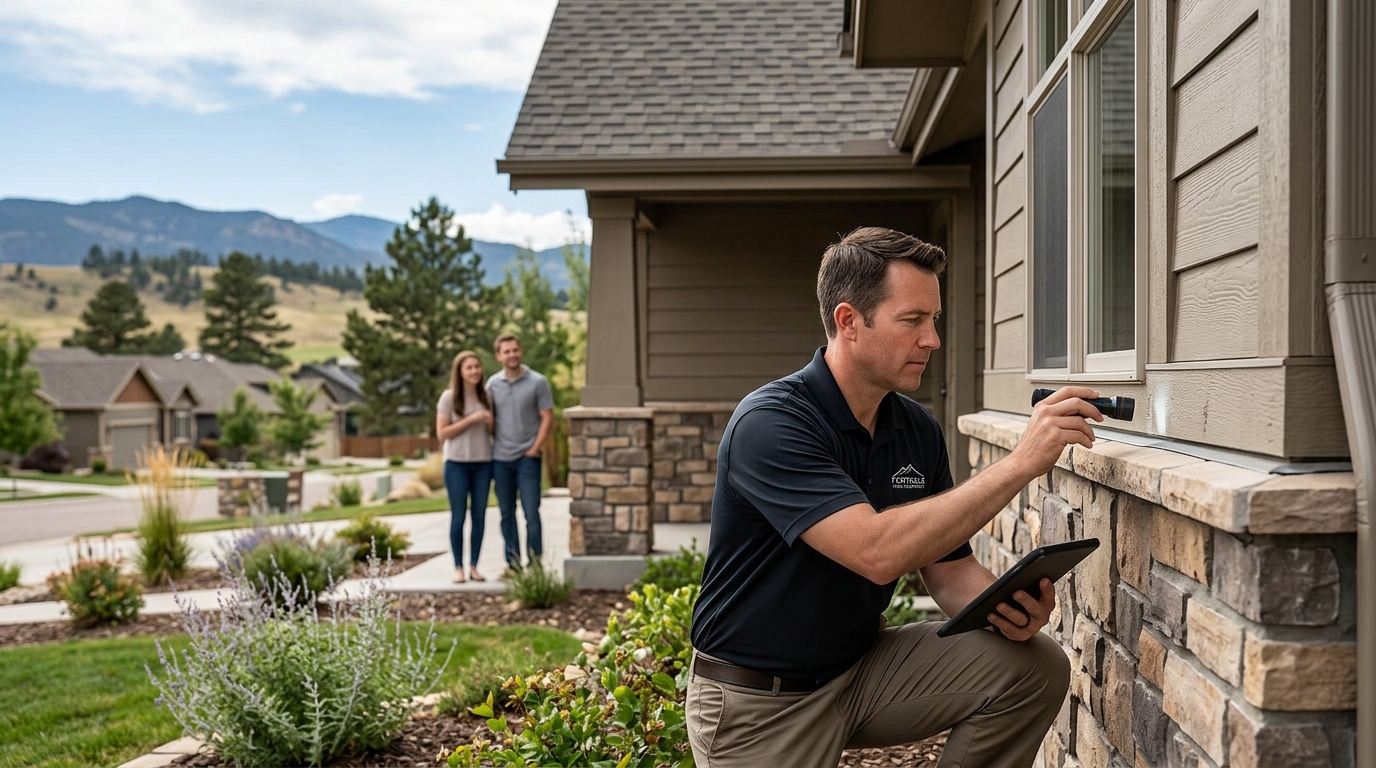
Buying a home in Northern Colorado is a significant financial milestone, but the region's unique climate and geological conditions introduce specific risks that general inspections often miss. According to recent industry data, homes in the Front Range face higher rates of foundation shifting and radon accumulation than the national average, making specialized professional oversight critical for protecting your investment. This guide details exactly what certified inspectors evaluate in Loveland, Windsor, and Fort Collins to ensure you are not blindsided by hidden defects. (About Us Foothills Home)
Foundation Integrity and Soil Dynamics
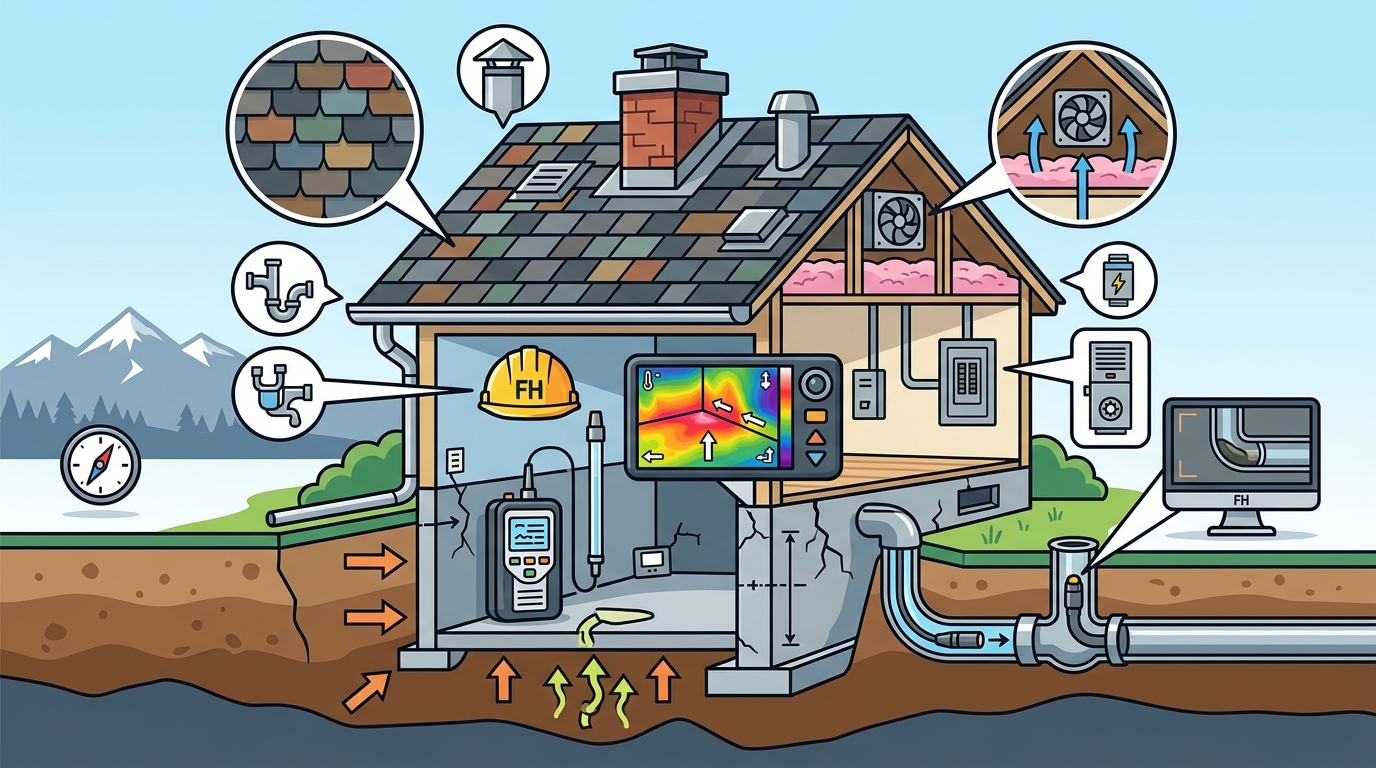
The most critical component of any home in Northern Colorado is its foundation. The region sits on expansive clay soils that swell when wet and shrink during dry periods. This constant movement exerts immense pressure on concrete slabs and basement walls. A professional inspector does not just look for visible cracks; they analyze the pattern and width of fractures to determine if they are cosmetic or structural.
Home inspectors in Northern Colorado specifically check for signs of differential settlement. This occurs when one part of the foundation sinks faster than another, leading to uneven floors and sticking doors. During a thorough walkthrough, the inspector will examine the perimeter of the slab for gaps between the foundation and the framing. They also look for diagonal cracks in drywall, which are classic indicators of underlying structural stress.
Proper grading is equally important. Water must flow away from the home to prevent hydrostatic pressure buildup. If the soil slopes toward the house, water pools against the foundation, leading to leaks and potential mold growth. Inspectors verify that the grade slopes at least six inches over the first ten feet away from the structure. They also check for proper functioning of gutters and downspouts, ensuring they direct water at least five feet away from the base of the home.
Radon Testing and Mitigation
Radon is a radioactive gas that seeps up from the ground through cracks in the foundation, floors, and walls. It is the second leading cause of lung cancer in the United States, according to the Environmental Protection Agency. Northern Colorado, including Larimer and Weld counties, is classified as Zone 1, the highest risk category for radon accumulation. This makes radon testing a non-negotiable part of any professional home inspection in this region.
While a standard visual inspection cannot detect radon levels, certified professionals can perform or arrange for immediate radon testing. Radon testing involves placing a charcoal canister or electronic detector in the lowest lived-in level of the home for a specific duration, typically 48 hours to seven days. The results indicate whether mitigation is necessary.
If radon levels exceed the EPA action level of 4 pCi/L, a mitigation system must be installed. These systems typically involve a vent pipe and fan that pulls radon gas from beneath the foundation and vents it safely above the roofline. Foothills Home Inspections offers dedicated radon testing services to ensure your new home is safe for your family. Understanding the local geology is vital because radon potential varies even within small geographic areas.
Plumbing and HVAC in Freeze Zones
The extreme temperature fluctuations in Northern Colorado place unique demands on a home's mechanical systems. Plumbing lines are particularly vulnerable to freezing. Inspectors look for proper insulation around pipes, especially those located in crawl spaces, attics, and exterior walls. They also check for the presence of frost proof hydrants on the exterior of the home, which are designed to drain water automatically when turned off to prevent bursting.
HVAC systems must be robust enough to handle both sub-zero winters and hot summers. Inspectors evaluate the age, condition, and capacity of the heating and cooling units. They check for proper ventilation in combustion appliances to prevent carbon monoxide leaks. In newer constructions, they verify that the system is sized correctly for the square footage to ensure efficiency and comfort.
Sewer line integrity is another major concern. Older homes may have clay or cast iron pipes that are prone to root intrusion and collapse. Professional inspectors often recommend a sewer scoping service to visually inspect the entire line from the house to the street. This video inspection reveals cracks, bellies, or blockages that could lead to costly repairs after closing.
Roofing and Exterior Drainage
Roofing materials in Northern Colorado must withstand intense UV exposure, heavy snow loads, and hail. Inspectors examine shingles for curling, cracking, or granule loss, which indicate aging and weathering. They check flashing around chimneys, vents, and skylights for proper sealing, as these are common entry points for water damage. The condition of the gutters and downspouts is also scrutinized to ensure they are securely attached and free of debris.
The exterior of the home, including siding, trim, and paint, is checked for signs of water intrusion. Staining, rot, or peeling paint often indicates moisture problems that may have penetrated the weather-resistant barrier. Inspectors also look for proper clearance between the soil and any wood framing, typically requiring at least six inches of gap to prevent termite access and wood rot.
Service Comparison: Standard vs. Specialized
Understanding the difference between a standard home inspection and specialized services is crucial for Northern Colorado buyers. A standard inspection covers the visible and accessible components of the home, including the roof, structure, electrical, plumbing, and HVAC systems. It provides a snapshot of the home's current condition but does not include environmental testing or deep system diagnostics.
| Service Type | Scope of Inspection | Relevance to Northern Colorado |
|---|---|---|
| Standard Home Inspection | Visual assessment of major systems and structure. | Essential baseline for all home purchases. |
| Radon Testing | Measurement of radioactive gas levels in the air. | Critical due to high Zone 1 risk in Larimer County. |
| Sewer Scoping | Video inspection of the underground sewer line. | Prevents costly repairs from root intrusion or collapse. |
| Pre-Listing Inspection | Comprehensive review for sellers before market entry. | Helps sellers address issues proactively to speed up sales. |
Specialized services like radon testing and sewer scoping are not included in the base price of a standard inspection. However, they are highly recommended for Northern Colorado properties. Foothills Home Inspections provides these add-ons to ensure a complete picture of the property's condition. By combining these services, buyers gain confidence in their negotiation position and long-term safety.
Key Takeaways
- Foundation Risks: Expansive clay soils in Northern Colorado cause significant foundation movement, requiring detailed structural analysis.
- Radon Zone 1: Larimer and Weld counties are high-risk zones for radon, making professional testing mandatory for safety.
- Freeze Protection: Proper insulation and frost-proof hydrants are essential to prevent plumbing failures in extreme cold.
- Sewer Line Integrity: Video scoping is recommended to detect root intrusion or pipe collapse before it becomes a major expense.
- Roofing Durability: Materials must withstand high UV levels and hail, requiring regular inspection of flashing and shingles.
- Local Expertise: Inspectors familiar with Northern Colorado geology provide more accurate assessments than generalists.
- Timely Reports: Professional inspectors like those at Foothills Home Inspections provide detailed reports within 24 hours to keep transactions on track.
Frequently Asked Questions
How long does a home inspection take?
A typical home inspection in Northern Colorado takes between two to four hours, depending on the size and age of the property. Larger homes or those with complex systems may require more time for a thorough evaluation.
Do I need radon testing if the previous owner had it?
Yes, radon levels can fluctuate over time due to changes in the home's ventilation or foundation integrity. Independent testing is always recommended to ensure current safety standards are met.
What is a sewer scope and why is it important?
A sewer scope is a video inspection of the underground sewer line from the house to the street. It is important because it reveals hidden issues like root intrusion, cracks, or collapses that are not visible during a standard inspection.
Can I attend the home inspection?
Absolutely. Attending the inspection allows you to ask questions, see issues firsthand, and learn about the home's maintenance needs. It is highly encouraged for first-time homebuyers.
How much does a home inspection cost in Northern Colorado?
The cost varies based on the size of the home and the services requested. Base inspections typically start around $400, with add-ons like radon testing and sewer scoping increasing the total. Contact Foothills Home Inspections for a precise quote.
What happens if the inspection reveals major issues?
If major issues are found, you can negotiate repairs, request a credit, or walk away from the contract. The detailed report provides the evidence needed for these negotiations.
Do you offer pre-listing inspections?
Yes, pre-listing inspections help sellers identify and address issues before putting the home on the market, potentially speeding up the sale process and increasing buyer confidence.
Schedule Your Professional Home Inspection
Protect your investment in Northern Colorado with a thorough, certified home inspection. Foothills Home Inspections provides expert analysis of foundations, radon levels, and mechanical systems to give you peace of mind. Contact us today to schedule your inspection and ensure your new home is safe and sound.