
Real-World Sewer Problems Colorado Homebuyers Discovered Too Late
Buying a home in Northern Colorado is an exciting milestone, but it comes with unique geological and infrastructural risks that many buyers overlook until it is too late. According to recent industry data, sewer line failures account for a significant portion of post-closing repair claims in the region, with average replacement costs often exceeding $10,000. This financial shock is avoidable when you understand the specific environmental factors at play in our area. At Foothills Home Inspections, we have seen firsthand how a simple sewer scope can save a buyer from catastrophic financial loss. This article explores the most common sewer issues discovered in Northern Colorado homes and why proactive inspection is non-negotiable. (Foothills Home Inspections Northern)
The Silent Invader: Tree Root Intrusion
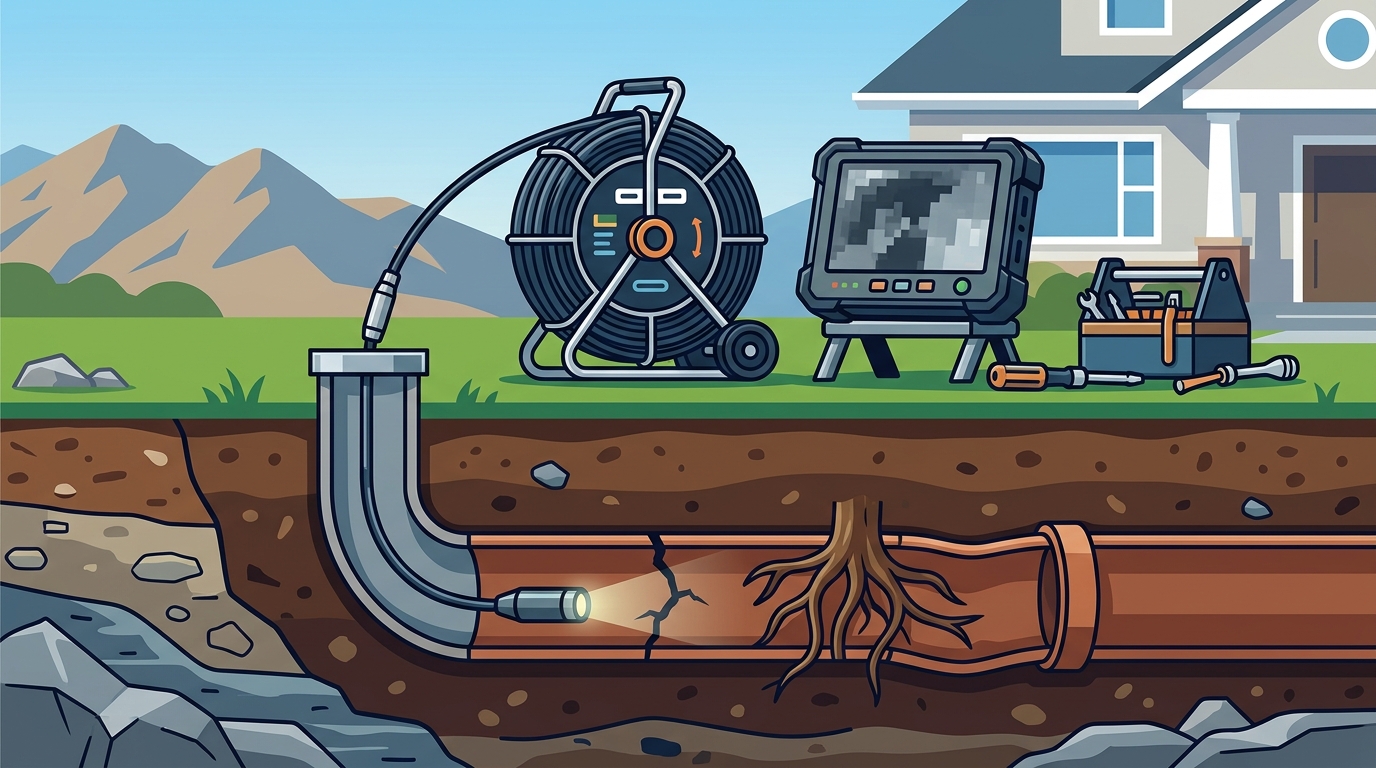
One of the most prevalent sewer problems in Northern Colorado is root intrusion. Trees and shrubs naturally seek out moisture and nutrients. A cracked or loosely jointed sewer pipe acts as a beacon for these roots. Once a tiny root hair penetrates a joint, it expands rapidly, creating a blockage that can lead to backups.
This issue is particularly common in established neighborhoods in Fort Collins, Loveland, and Windsor. Older homes often have clay or cast iron pipes with bell-and-spigot joints that are vulnerable to root penetration. Root intrusion is not just a clog; it is a structural compromise of the line. While hydro-jetting can temporarily clear the blockage, the roots will return, and the damage to the pipe will continue to worsen. Without a camera inspection, a buyer might never know the roots have already compromised the integrity of the line until a major backup occurs.
For more insights on how vegetation affects property infrastructure, you can read EPA guidelines on tree roots and their impact on underground utilities. Additionally, understanding local water rights and irrigation practices in Colorado, as discussed in Water Futures reports, highlights why soil moisture levels around foundations and pipes vary significantly by season.
Colorado Soil Shifts and Pipe Damage
The geological makeup of Northern Colorado presents unique challenges for underground plumbing. The region experiences significant seasonal moisture fluctuations. During wet springs and summers, the soil expands. During dry winters, it contracts. This constant heaving and settling puts immense stress on sewer lines.
Clay soils, which are common in many parts of Larimer and Weld counties, are particularly prone to this movement. When the soil shifts, it can crush brittle pipes or pull joints apart. This is often referred to as "ground movement damage." Unlike root intrusion, which is biological, this damage is mechanical and often occurs without warning. A home that sits on unstable ground may have a sewer line that is already fractured, even if it appears to be functioning normally during a casual walkthrough.
Research from the USGS Colorado Water Science Center details the hydrological changes in the region that contribute to soil instability. Furthermore, studies on soil mechanics and infrastructure confirm that expansive soils are a leading cause of underground utility failure in the western United States.
Aging Infrastructure in Older Neighborhoods
Many of the most desirable homes in Northern Colorado are located in historic districts or older developments. These homes often feature original sewer lines that have reached or exceeded their lifespan. Materials like Orangeburg (bituminous fiber pipe) or early PVC formulations were used in homes built between the 1940s and 1970s. These materials degrade over time, becoming brittle and prone to collapse.
When a buyer purchases a home with an aging sewer line, they are essentially buying a ticking clock. The line may function perfectly for months, but a single heavy rain event or a minor shift can cause a total collapse. This is a critical risk factor that is invisible to the naked eye. Aging pipes require proactive replacement, not reactive repair. Ignoring the age of the sewer line is one of the most costly mistakes a homebuyer can make.
According to data from HomeAdvisor cost guides, the average cost to replace a sewer line can range from $3,000 to $25,000 depending on depth and length. Additionally, the EPA emphasizes the importance of maintaining sanitary sewer systems to prevent environmental contamination, highlighting the public health implications of private line failures.
The Sewer Scope Inspection Process
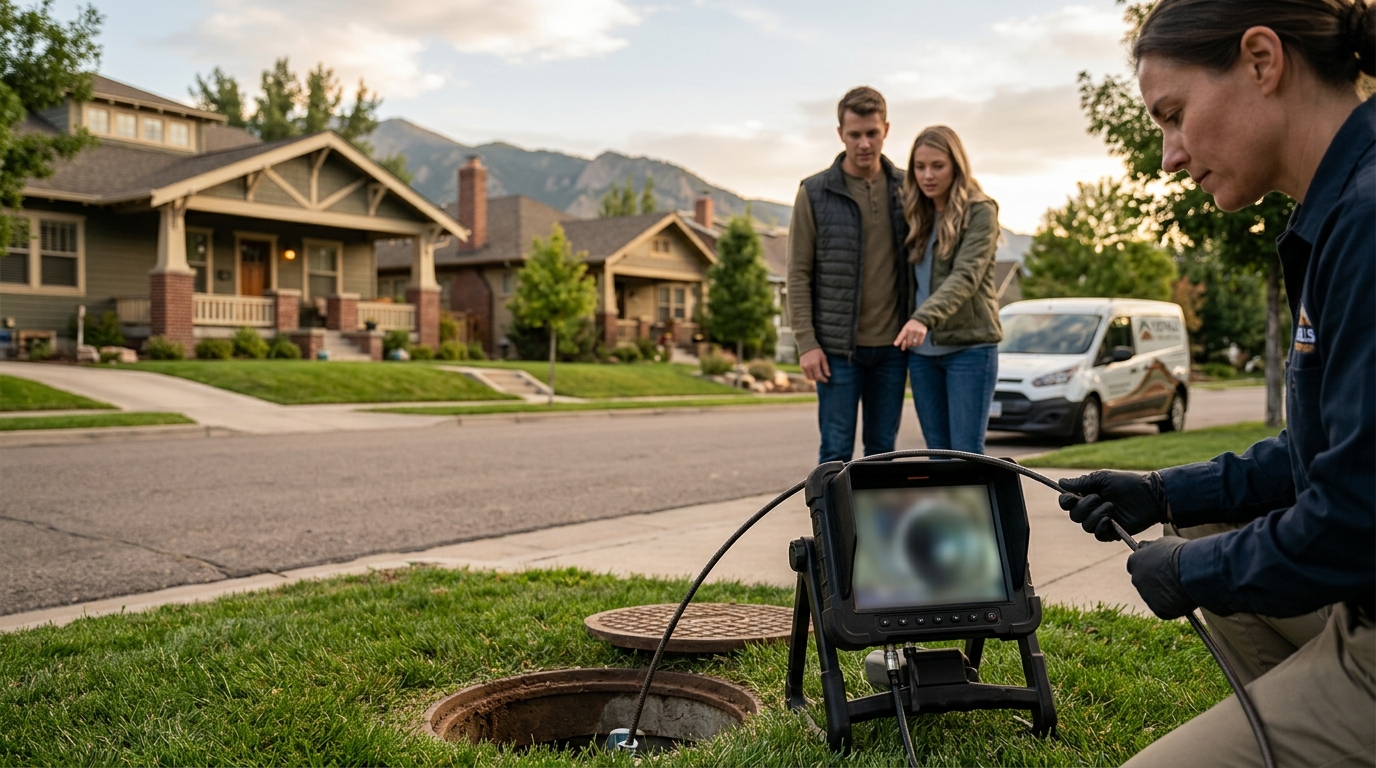
A sewer scope inspection is a specialized service where a technician inserts a high-resolution camera into the main sewer line. This camera travels from the house to the street connection or septic tank, providing a real-time video feed of the pipe's interior. This process allows the inspector to identify root intrusion, cracks, bellies (sags where water collects), and corrosion.
At Foothills Home Inspections, we take this process seriously. We do not just look for obvious blockages. We analyze the condition of the joints, the material integrity, and the overall flow. Our detailed reports include video recordings and photos of any defects found. This evidence is invaluable during negotiations. If a significant sewer issue is discovered, you can request repairs, ask for a credit, or walk away from the deal with your earnest money intact.
For a deeper understanding of how camera technology has revolutionized plumbing diagnostics, you can explore Plumbing Tech resources on modern inspection tools. Furthermore, the National Association of Home Inspectors provides standards of practice that underscore the importance of visual inspections of accessible utility systems.
Cost of Neglect vs. Cost of Inspection
The cost of a sewer scope inspection is a fraction of the cost of a sewer line replacement. A typical sewer scope in Northern Colorado costs between $250 and $500. In contrast, a full sewer line replacement can cost anywhere from $5,000 to $25,000 or more, depending on the length of the line, the depth, and the access points. When you consider that a sewer line failure can also damage your foundation, landscaping, and interior flooring, the value of the inspection becomes undeniable.
| Service Type | Estimated Cost Range | Primary Benefit | Typical Lifespan |
|---|---|---|---|
| Sewer Scope Inspection | $250 - $500 | Identifies hidden defects before purchase | N/A (Diagnostic) |
| Hydro-Jetting | $300 - $800 | Temporary clearing of roots/debris | 1-3 Years |
| Partial Line Repair | $1,500 - $5,000 | Fixes localized damage | Varies |
| Full Line Replacement | $5,000 - $25,000+ | Permanent solution for failed lines | 50+ Years |
As noted by Bankrate financial experts, budgeting for unexpected home repairs is crucial for long-term financial stability. The Consumer Financial Protection Bureau also advises consumers to understand all potential costs associated with home ownership to avoid financial strain.
Key Takeaways
- Root Intrusion is Common: Northern Colorado's vegetation and older pipe joints make root intrusion a primary cause of sewer failure.
- Soil Movement Causes Damage: Expansive clay soils in Larimer and Weld counties can crush or shift pipes over time.
- Aging Pipes are a Risk: Homes built before the 1980s often have original lines that are nearing the end of their lifespan.
- Inspection is Affordable: A sewer scope costs a fraction of a replacement and provides critical negotiation leverage.
- Video Evidence Matters: A camera inspection provides undeniable proof of defects, protecting your investment.
- Local Expertise is Vital: Understanding local soil and climate conditions is essential for accurate risk assessment.
- Proactive vs. Reactive: Addressing sewer issues before closing is significantly cheaper and less stressful than after.
Frequently Asked Questions
How much does a sewer scope inspection cost in Northern Colorado?
A sewer scope inspection typically costs between $250 and $500. This price includes the camera inspection, video recording, and a detailed report of findings. The cost is minimal compared to the potential cost of a sewer line replacement.
What is a sewer scope inspection?
A sewer scope inspection is a diagnostic procedure where a waterproof camera is inserted into the main sewer line to visually inspect the interior for blockages, cracks, root intrusion, and other defects.
Why are sewer lines a problem in Colorado?
Colorado's expansive clay soils shift with seasonal moisture changes, putting stress on pipes. Additionally, mature trees in established neighborhoods often have roots that seek out moisture in sewer lines, causing blockages and damage.
Can I negotiate repairs after a sewer scope?
Yes. If the sewer scope reveals significant issues, you can negotiate with the seller to make repairs, provide a credit at closing, or reduce the purchase price. This is a common and powerful negotiation tool.
How often should I have my sewer line inspected?
For homebuyers, a sewer scope should be done during the due diligence period. For existing homeowners, it is recommended to have a sewer scope every 2-3 years, or immediately if you notice slow drains or gurgling sounds.
What materials are old sewer pipes made of?
Older homes may have clay, cast iron, or Orangeburg pipes. These materials are more susceptible to root intrusion, corrosion, and collapse compared to modern PVC or ABS pipes.
What happens if roots are found in the sewer line?
If roots are found, they may need to be removed via hydro-jetting or mechanical cutting. However, if the roots have damaged the pipe, repair or replacement may be necessary to prevent future intrusions.
Schedule Your Sewer Scope Today
Do not leave your home purchase to chance. A sewer line failure is one of the most expensive and stressful surprises a homebuyer can face. By investing in a professional sewer scope inspection, you gain peace of mind and valuable leverage in your negotiation. Foothills Home Inspections is dedicated to helping Northern Colorado homebuyers make informed decisions. We provide thorough, honest, and timely inspections that protect your investment.
Contact us today to schedule your sewer scope inspection or to learn more about our comprehensive home inspection services. Visit our About Us page to meet Dan Johnson, your trusted local inspector.